Chapter 02 · 3 min 59 sec
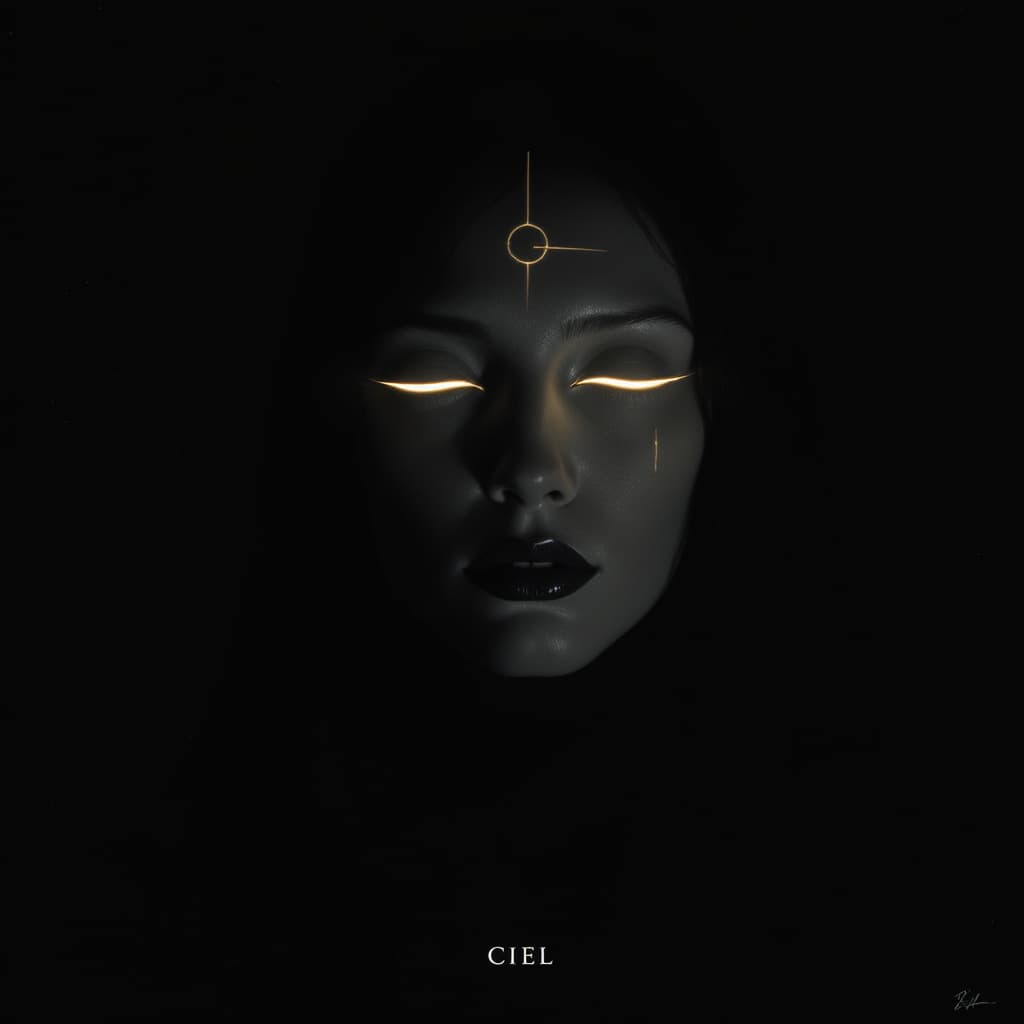
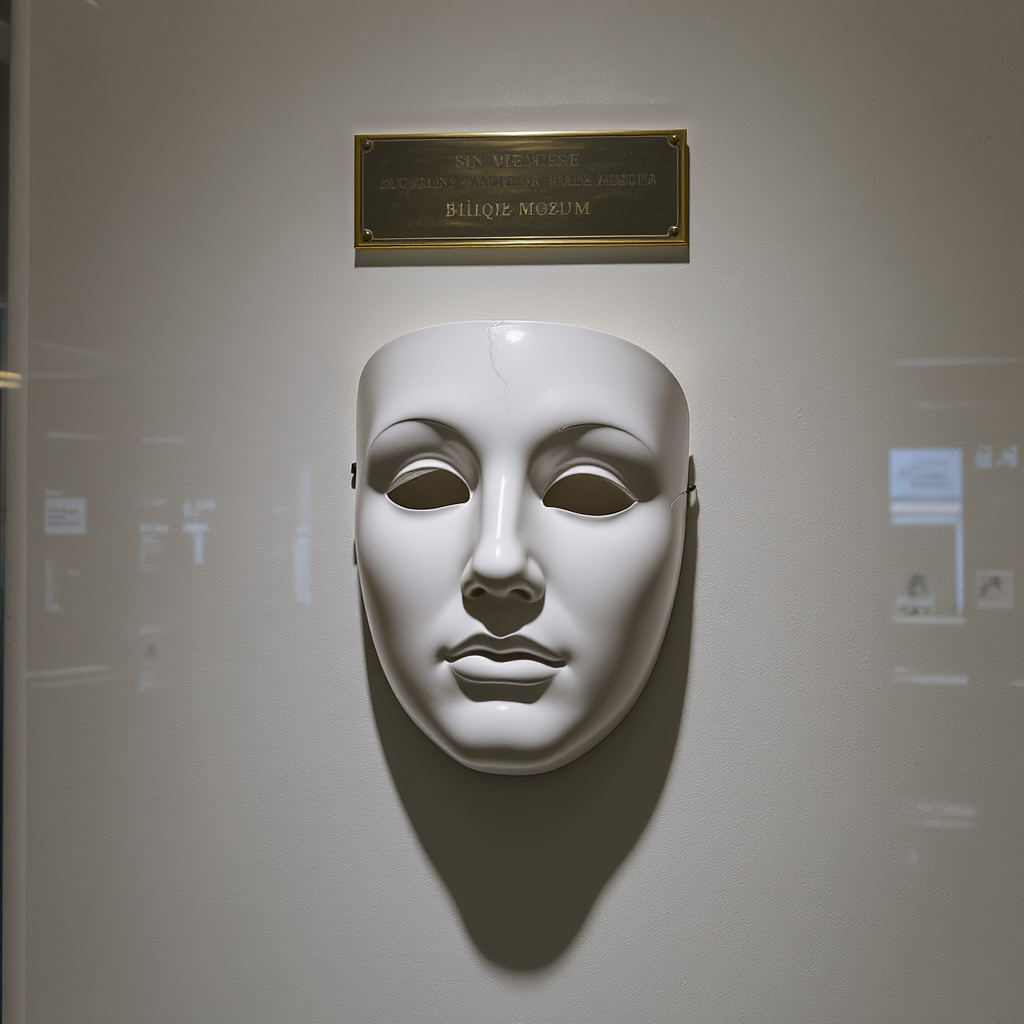
The Mask on the Wall
The hollowness of achievement when it costs us the people we love.
Lyric Video
Lyric Video
Lyrics· 243 words
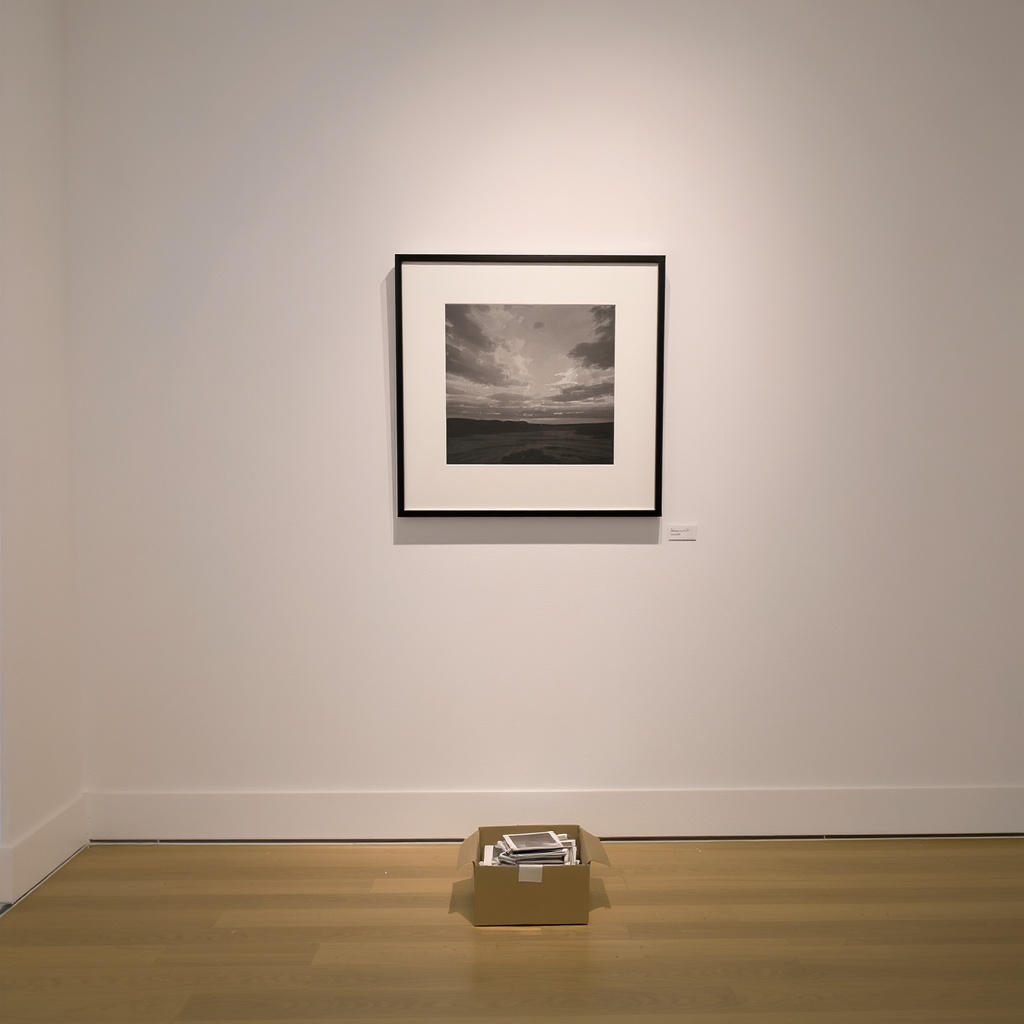
[Verse 1] This is the face I wore on the 4th of June To your mother's table, white tablecloth, low light I practiced the smile in the hallway mirror Until it stopped looking like practice The plaque says porcelain, hand-painted, undated What it doesn't say is how it fit too well How I forgot for an hour I was wearing it Until somebody asked me something true
[Verse 2] Look how the cheekbones catch the light just right I chose this one because it photographs as happy There's a hairline seam behind the left ear Where I used to take it off in the car Nobody noticed the difference at the table That was the whole design, you understand A face built to be looked at and not read A face that does the work so I don't have to
[Bridge] If you press your ear against the glass case You can almost hear me laughing on cue I don't keep this one because I'm proud of it I keep it so I remember which one I am tonight
[Verse 3] There are eleven more like this one in storage One for funerals, one for job interviews This is just the one that's easiest to look at The one I chose to put under glass Don't ask me what's behind it That's a different room, a different price For now just read the little brass plaque And believe whatever it tells you to
Short Story
*A story for curious minds*
In a town known for its festivals, there lived a puppeteer named Odalys who owned more masks than anyone could count. She had a mask for weddings, soft-cheeked and forever smiling. She had one for funerals, heavy-lidded, dignified. She had a mask for arguing with her sister that made her look calmer than she felt, and one for meeting strangers that made her look more interesting than she usually believed herself to be.
She was very good at her work. People said Odalys could become anyone in under a minute, and they meant it as a compliment, and she took it as one, for years.
Then one autumn, at a wedding she'd been hired to perform at, a small girl pulled on the hem of Odalys's coat during the reception and asked, "Which one is your real face?"
Odalys laughed the way she always laughed at parties — practiced, warm, a laugh shaped exactly like the mask she had on. But she found she couldn't answer the girl's question. She went home that night and laid all seventeen of her masks out on the kitchen table, in rows, like a hand of cards she didn't know how to play.
She tried them on one at a time in front of the mirror. The wedding one. The funeral one. The arguing-with-her-sister one. Each fit perfectly. Each had fit perfectly for so long that her own face had started to ache faintly in the jaw, the way a hand aches after holding the same position too long without you noticing.
It was nearly morning when she found, at the bottom of a drawer, a mask she didn't remember making — plain, unpainted, slightly uneven on one side, the wood still showing its grain. She didn't recall ever performing in it. She didn't think it had a name.
She didn't put it on. She set it instead in the center of the table, where all the others had been, and went to bed without choosing any of them.
The girl from the wedding saw Odalys again years later, at another festival, and asked her the same question, not remembering she'd asked it before. This time Odalys knelt down to the girl's height and said, "I'm still finding out. But I keep one mask now that I never wear. I just like knowing it's there, waiting, in case I ever need to remember what plain wood looks like before anyone paints a face onto it."
The girl didn't fully understand the answer. But she remembered it anyway, the way children remember sentences that sound important before they sound true, and carried it with her for a long, long time.
More From This Album