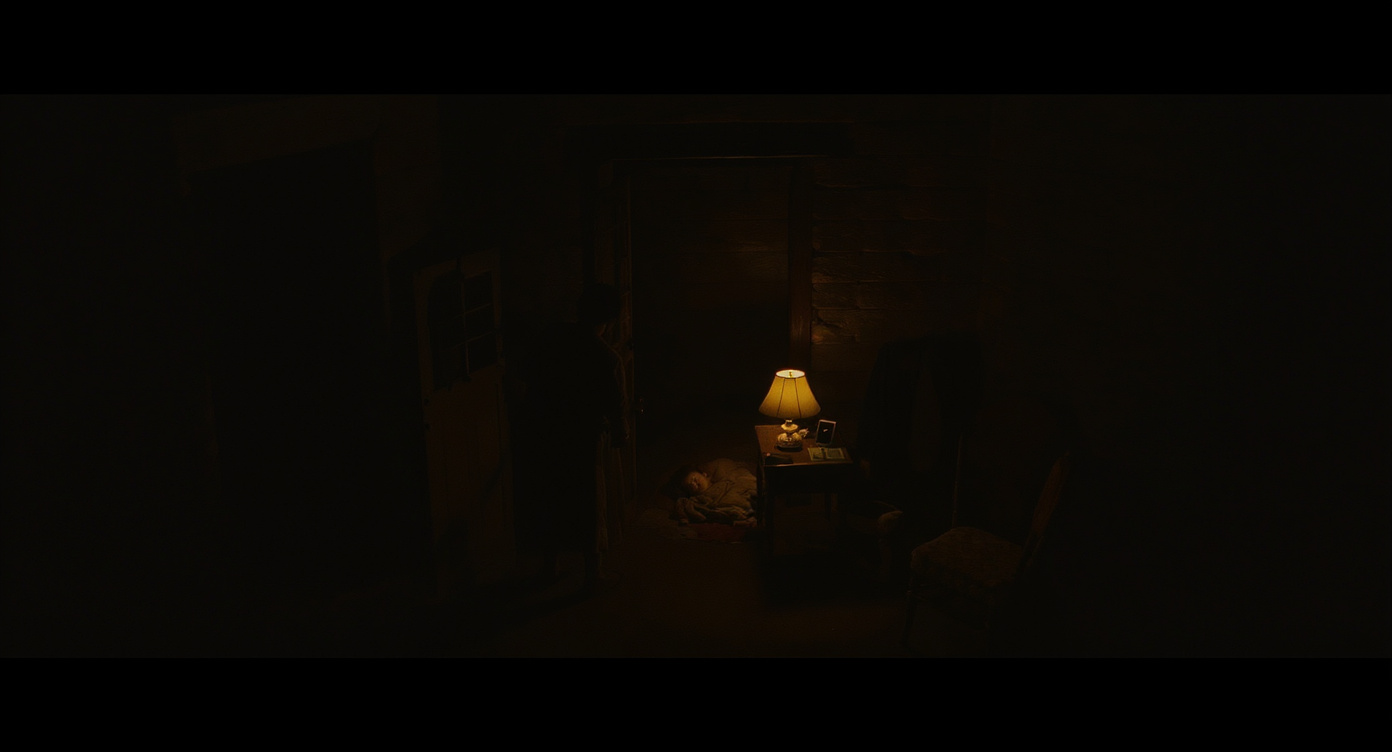
Miguel had three bars of signal.
He was on the school geography trip, somewhere in the hills east of the city, and he had gotten separated from the group. Not dangerously — he could see the path, he knew roughly which direction to go — but separated enough that the afternoon light was changing and his boots were wet and the hill looked different going down than it had going up.
He looked at his phone. Three bars.
He called his mother.
She picked up on the second ring.
"Miguel?"
He hadn't planned what to say. He'd planned to say something calm and measured, to explain the situation clearly and ask for advice. Instead, what came out was: "I'm a bit lost."
"Where are you?" No panic in her voice. Just her voice, clear and steady as a lamp turning on.
He described what he could see. The shape of the hill. The colour of the rock. The way the path curved left before the slope.
"I know that place," she said. "Follow the path left. There's a village about fifteen minutes down. Call me when you can see the rooftops."
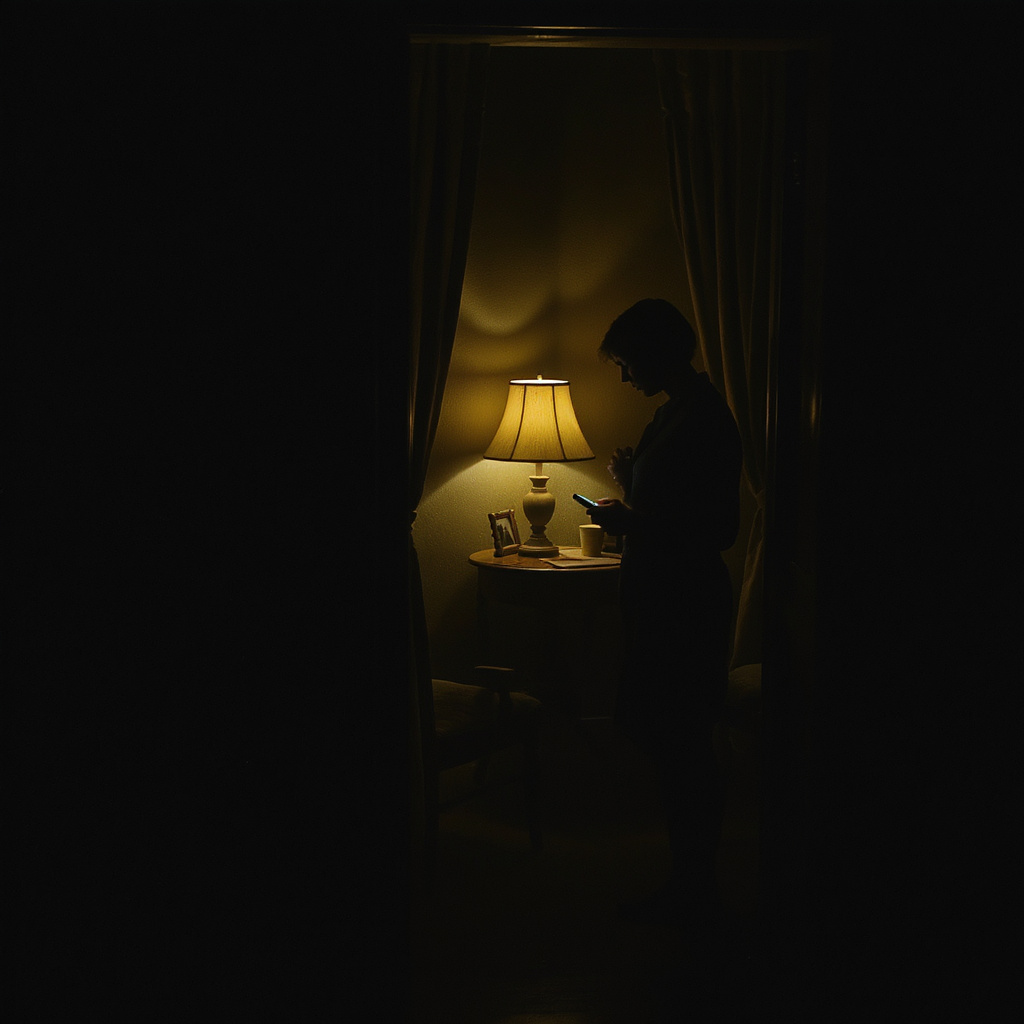
"Okay," he said.
"Miguel?"
"Yeah?"
She paused for just a moment. "You're okay?"
"Yeah," he said. "I'm okay."
"Good. Go. I'll be right here."
He put his phone in his pocket and started walking. The path curved left. Fifteen minutes later, he could see rooftops. He called her back.
She stayed on the phone until the teacher came to find him.
Later, on the bus back, Miguel thought about that call. What had his mother actually done? She hadn't come to get him. She hadn't solved anything. She had just picked up on the second ring and been herself — steady and calm and absolutely certain that things were going to be fine — until he was steady and calm and absolutely certain too.
He understood something then about what it meant to be there for someone. Not always in person. Sometimes just as a voice, three bars of signal, choosing to be reached.
Sometimes the most powerful thing someone can do is simply answer when you call.
A beautiful next door