He was forty before he understood his father.
Not forgave — understood. The forgiveness had come earlier, haltingly, through therapy and time and the kind of slow work that doesn't feel like progress while you're in it. But understanding came later, in a specific moment, watching his own son.
His son was seven. They were playing in the garden, and his son did something wrong — he didn't remember what, something minor, the kind of thing children do a hundred times a day. And he felt rise in him, from somewhere deep and old, the response his father would have had. The disproportionate correction. The withdrawal of warmth. The particular coldness that had shaped his own childhood.
He felt it come up.
And he chose something different.

He crouched down and explained why the thing was not okay and hugged his son and moved on, and the day continued, and nothing dramatic happened.
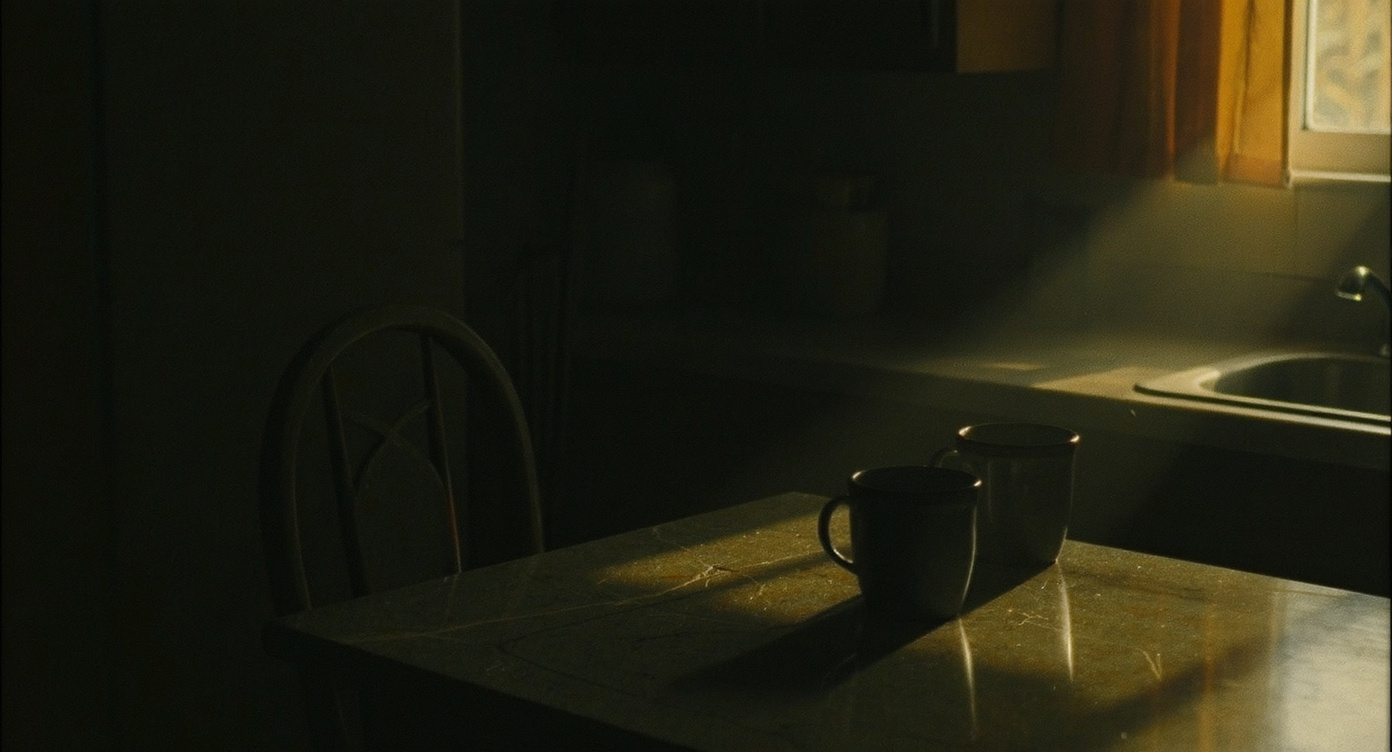
But he sat in the kitchen afterward and held what had just happened. He had recognised the pattern. Had seen it rise in him like something inherited, passed down — not in malice, not with intent, but through simple transmission. His father had received it from his father. On and on, back into the dark of time.
His father had not known better.
He had not known better either, until he did.
And now, knowing better, he had the one thing his father hadn't had in that moment with him: a choice.
Understanding someone is not the same as excusing them. But it is the beginning of freedom.
A beautiful next door