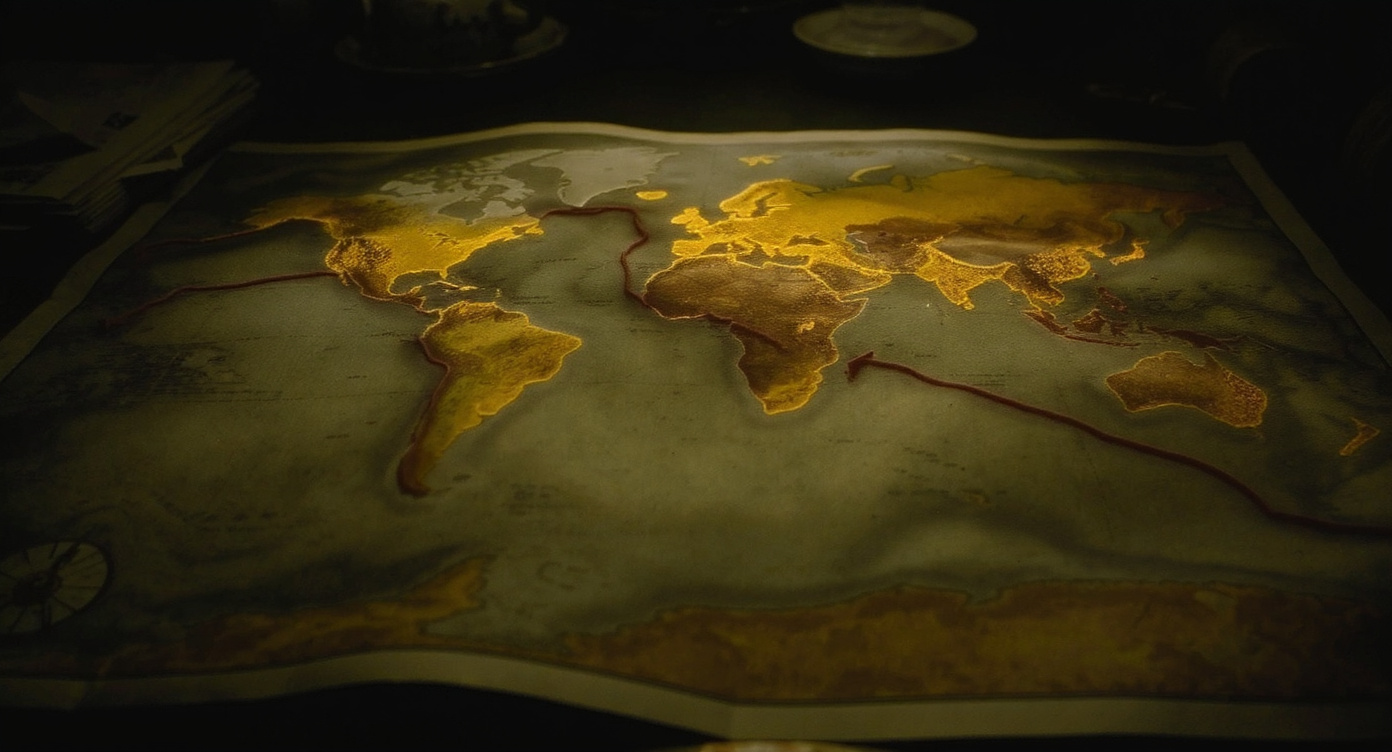
The funeral was in Lagos, which was where her great-uncle had lived all his life and where he had died at eighty-one in the manner of someone who had decided he was finished. Ana was twelve and she had met him twice and did not know how much sadness she was entitled to, which was a question she had never had to ask at a funeral before. At her grandfather's funeral in Porto, everyone had been quiet and the crying had happened in the car and at graveside and there had been sandwiches after with the crusts cut off and the sadness had a recognisable shape.
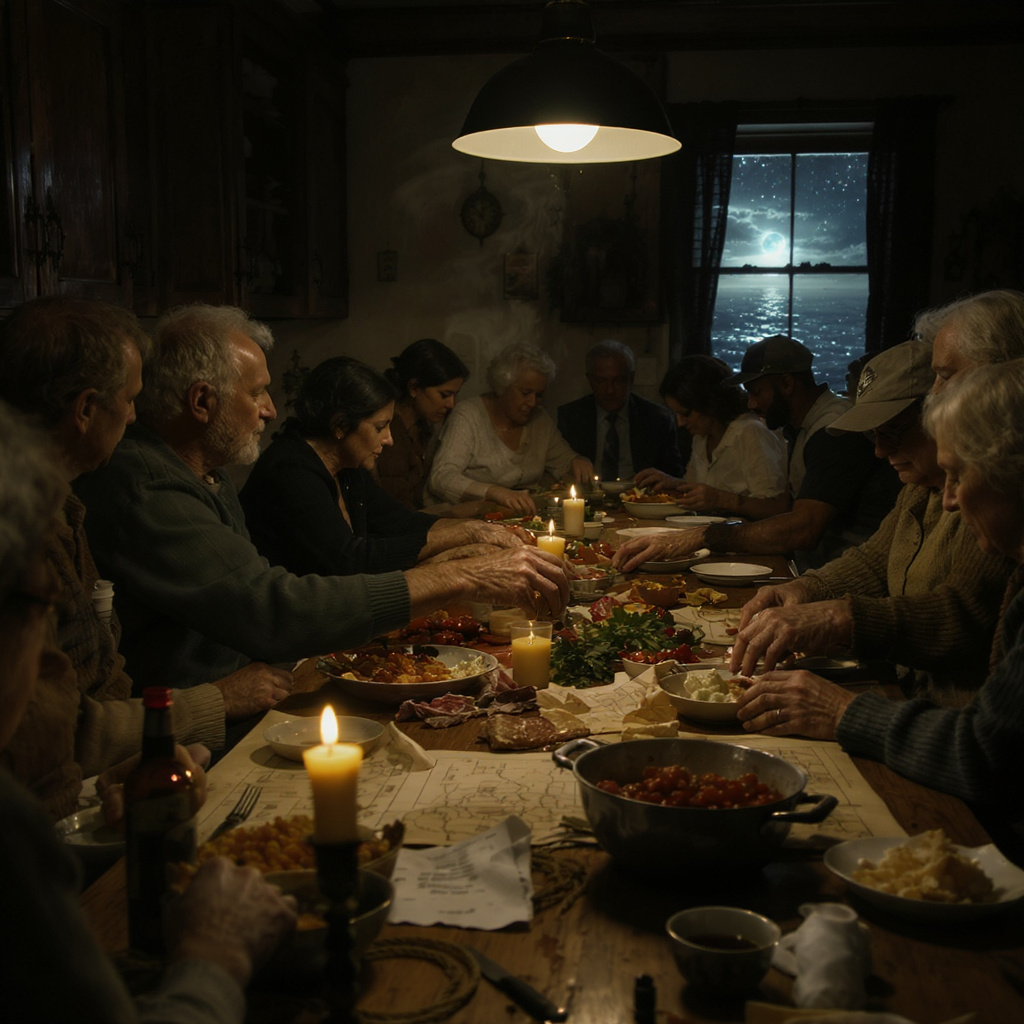
This was different. People arrived in waves, loudly, bringing food that was hot and plentiful, and there was talking and crying mixed together without any apparent boundary between them, and at one point there was singing, which Ana had not expected, and which she had initially found startling and then found she did not want to stop. A woman she did not know held her hands and told her something in Yoruba and her mother translated it as: he lived well, which means he died well. Ana turned this over. She had not thought that those two things were connected.
She sat beside her mother that afternoon and watched. She watched how grief moved through different bodies differently — quick and visible in some people, very still and deep in others, expressed through cooking in the aunt who stood in the kitchen for six hours, expressed through touch in the cousins who embraced everyone who passed. She thought about the sandwiches with the crusts cut off. She thought about the singing. She thought: everyone in this room loved the same person and not one of them is grieving in exactly the same way, and all of them are right.
Her great-uncle had told her, at one of their two meetings, that he could speak four languages. She had asked which one he dreamed in. He had said: "All of them, and none of them — dreams don't have languages, they have feelings." She thought about that now, in the middle of all the grief that was not speaking the same language as the grief she knew. She thought: maybe the feeling underneath is the same. Maybe we just say it differently.
She ate what was offered. She accepted the hands that held hers. She listened to the singing without understanding the words and found she understood it anyway.
Grief speaks in every language. When you don't know the words, listen for the feeling underneath.
More Stories
A beautiful next door