The box was cardboard, the colour of old tea, and Mara found it on a Tuesday in October when she was looking for nothing more important than a spare extension cord. It had been pushed to the back of her mother's wardrobe, behind the winter coats that still held their shape even when no one was wearing them. Her mother was at work. The rain was doing what rain in October does. Mara sat down on the floor with the box in her lap and lifted the lid the way you lift a lid when you already know, somehow, that the inside will be heavy.
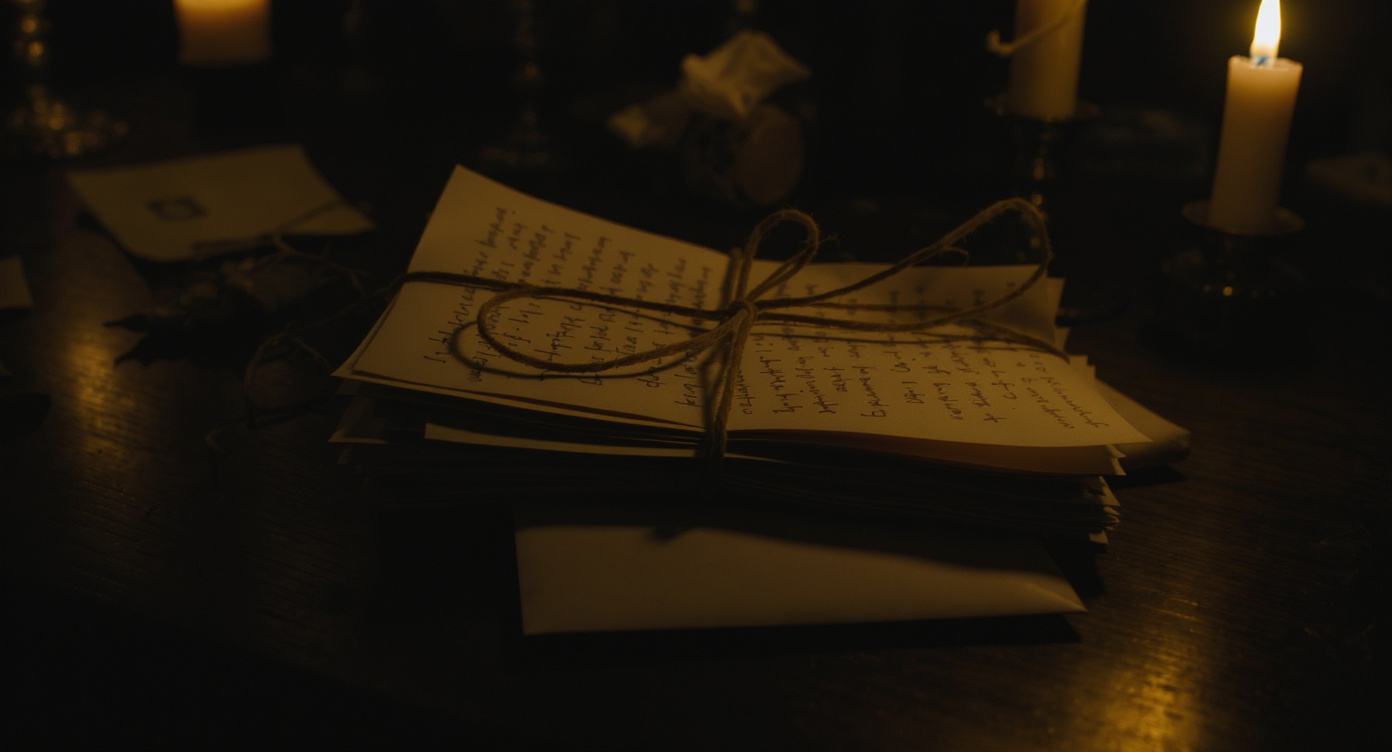
The letters were tied with kitchen string, thirty-one of them, all addressed to a woman named Sofía in a city Mara had never visited. The handwriting was her mother's — younger, rounder at the edges, not yet the hurried script Mara knew from shopping lists and birthday cards. Each letter began *Querida Mamá* and ended with a small drawing: a bird, a window, a cup of coffee going cold. Mara read slowly, the rain keeping time on the glass. Her mother had been seventeen in the first letter. Eighteen in the last. The letters described a new country with the careful precision of someone trying to make a foreign place feel familiar to someone who would never see it. They were full of love and also full of the particular loneliness of a person describing a sunset to someone who is elsewhere.
None of them had been sent. There were no envelopes. The string still held the shape of having been tied and untied many times, but the letters themselves had never moved an inch closer to Sofía. Mara turned this over in her mind. She thought about all the October mornings her mother must have sat somewhere and written, and then kept what she'd written, and what that keeping meant. She thought about her grandmother, whom she had met only once, whose face she remembered the way you remember something glimpsed from a moving car. She tried to understand how a person could write *I love you* thirty-one times and fold each one closed.
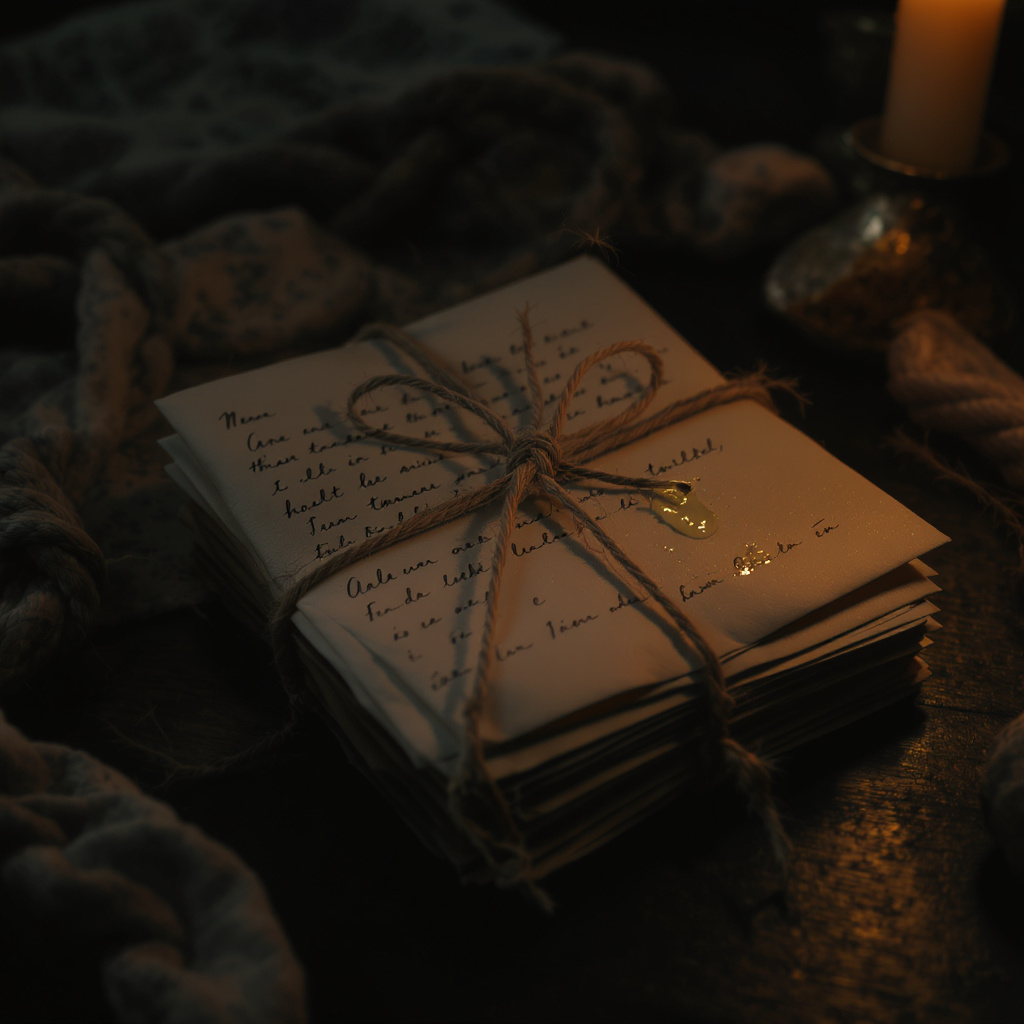
When her mother came home Mara was still on the floor, the letters returned to the box but the lid still off. She didn't say *I'm sorry* and her mother didn't say *you shouldn't have*. Her mother set down her bag and sat beside her on the floor, which took a moment because her knees weren't what they were. She picked up one letter, not to read it, just to hold it. She said, quietly, that writing them had felt like sending them. That somewhere in the act of putting the words down, her mother had received them. Mara didn't entirely understand this yet, but she felt the shape of it, the way you feel the shape of a room in the dark.
They made tea. The extension cord was never found. The box went back to its place behind the coats, but differently now — the way a thing is different once it has been seen. On her way to bed Mara paused in the hall and thought about all the words moving through the world that never arrive, and how arrival might not be the whole point.
The love that stays inside you still travels. It just takes a different kind of sea.
More Stories
A beautiful next door