She didn't believe in prayer. She was clear about this. She'd been clear about it for years.
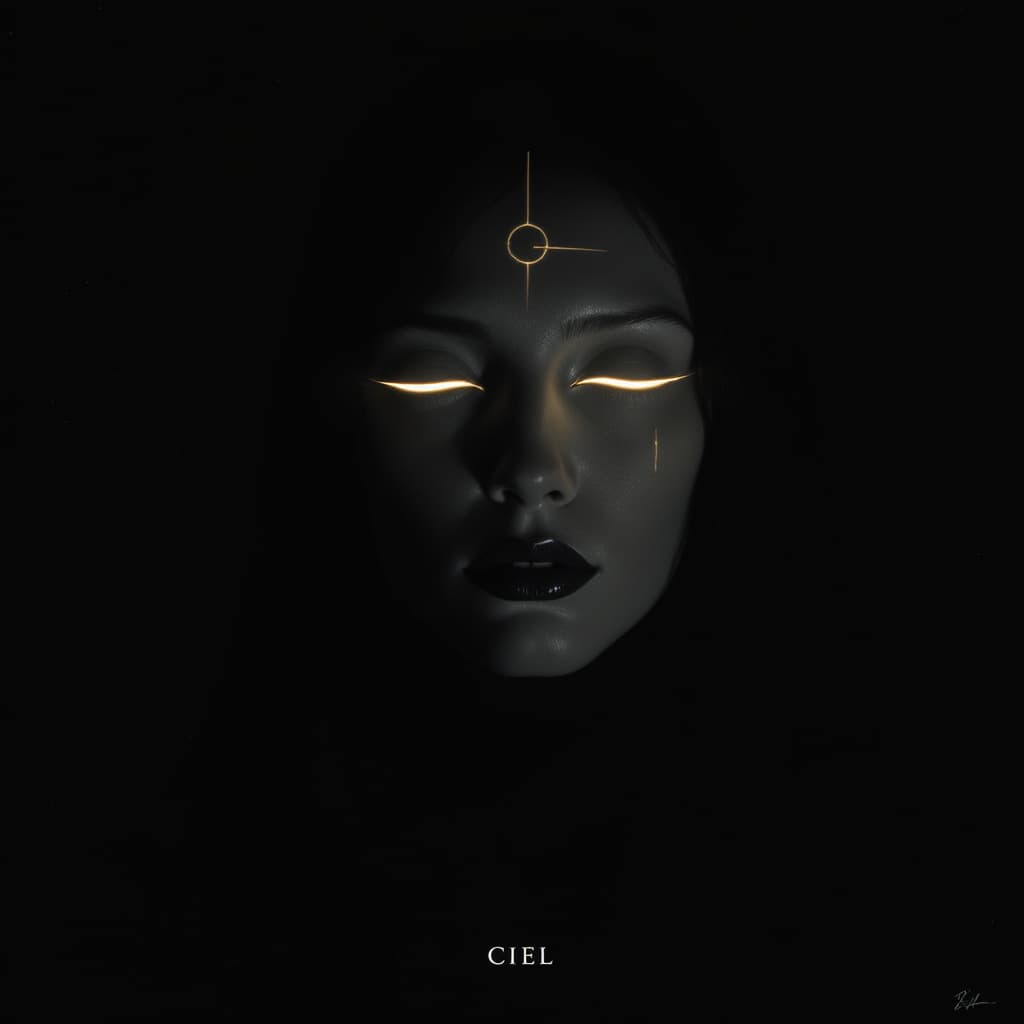
Then her son was in the hospital and she found herself in a corridor at two in the morning talking to something she didn't have a name for.
She wasn't asking for anything specific. That surprised her — she'd have expected, in a moment like this, that she would be bargaining or demanding or making the desperate proposals that people make in desperate moments. She wasn't.
She was saying: I don't know what to do. She was saying: I don't have the resources for this. She was saying: something needs to know that I'm trying.
She didn't know who she was saying it to.
It didn't seem to matter.
The saying of it was the thing. The speaking aloud of the helplessness. The opening of the hands, metaphorically, because the hands were actually wrapped around a paper cup of machine coffee that had gone cold.

Her son recovered.
She didn't attribute this to the corridor conversation. She wasn't going to become the kind of person who drew that line.
But she remembered the corridor. She remembered the quality of the opening — the specific relief of releasing the pretense that she was managing this, of admitting to whatever the corridor was that she was out of her depth.
The bow, she thought later.
The bow before any prayer.
The moment of honest small-ness.
That was the thing. Not the prayer. The bow.
The bow is the beginning of everything. The opening of the hands.
More Stories
A beautiful next door