
There was once a clockmaker named Beno who kept a small shop at the end of a quiet street, and who had a strange policy that confused his customers: he would buy back any clock you needed to sell, for a fair price, no questions asked, and he would keep it ticking in his window the whole time, wound every morning, as if it still belonged to whoever had brought it in.
A young woman named Ilse came to his shop one autumn with her grandfather's mantel clock wrapped in a dish towel, the way you wrap something you can't quite look at directly. "I don't want to sell this," she told him, setting it on the counter like it might still change its mind and refuse to be sold. "I have to."
"Most people who come here say exactly that," Beno said. He didn't ask why. He never did. He simply turned the clock over, checked its gears with the unhurried care of a man examining an old friend, and named a fair price.
Ilse took the money but lingered at the door. "Will you wind it?" she asked. "Every day? Even though it's just sitting in a shop window now?"
"I wind every clock in this shop every morning," Beno said. "Whether anyone's coming back for them or not."
"Why?"
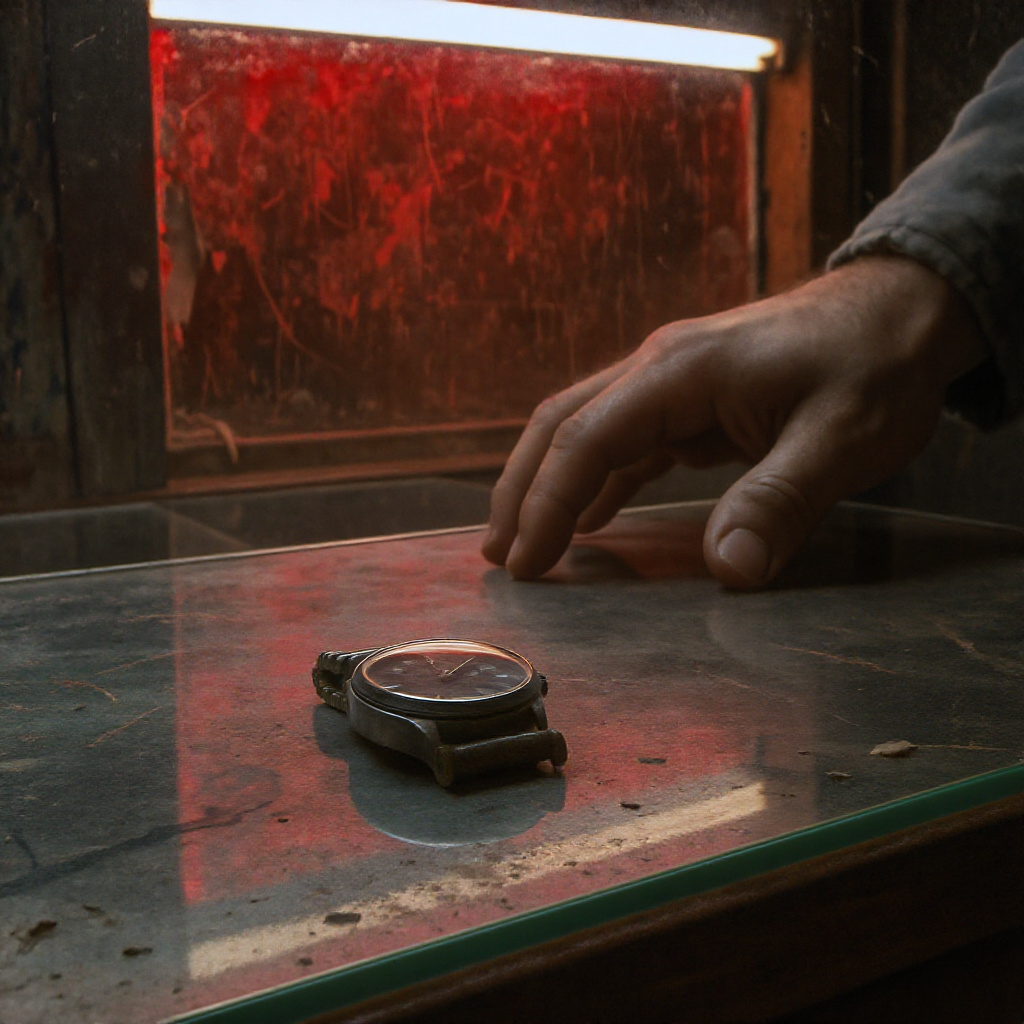
"Because the clock didn't do anything wrong," he said. "It's not the clock's fault that you needed the money more than you needed the time it kept. Seems unfair to let it stop, on top of everything else."
Ilse didn't come back for a long while — months, then most of a year, the way life arranges itself when you're busy surviving it. But one ordinary Tuesday, with a little money finally saved and a little room finally made in her chest for the thing she'd given up, she walked back into Beno's shop and there it was in the window, her grandfather's clock, still ticking, still telling the exact right time, having never once stopped keeping faith with an hour she hadn't been there to witness.
"You kept it going," she said, half a question.
"I told you I would," said Beno, and named her the same fair price to buy it back, not a coin more, as if the year of safekeeping had cost him nothing at all — which, in the way that mattered most to him, it hadn't.
Ilse carried the clock home that evening, and set it on her own mantel, and it kept time exactly as it always had — not because it had never left, but because someone had simply refused to let the leaving mean its ending.
More Stories
A beautiful next door