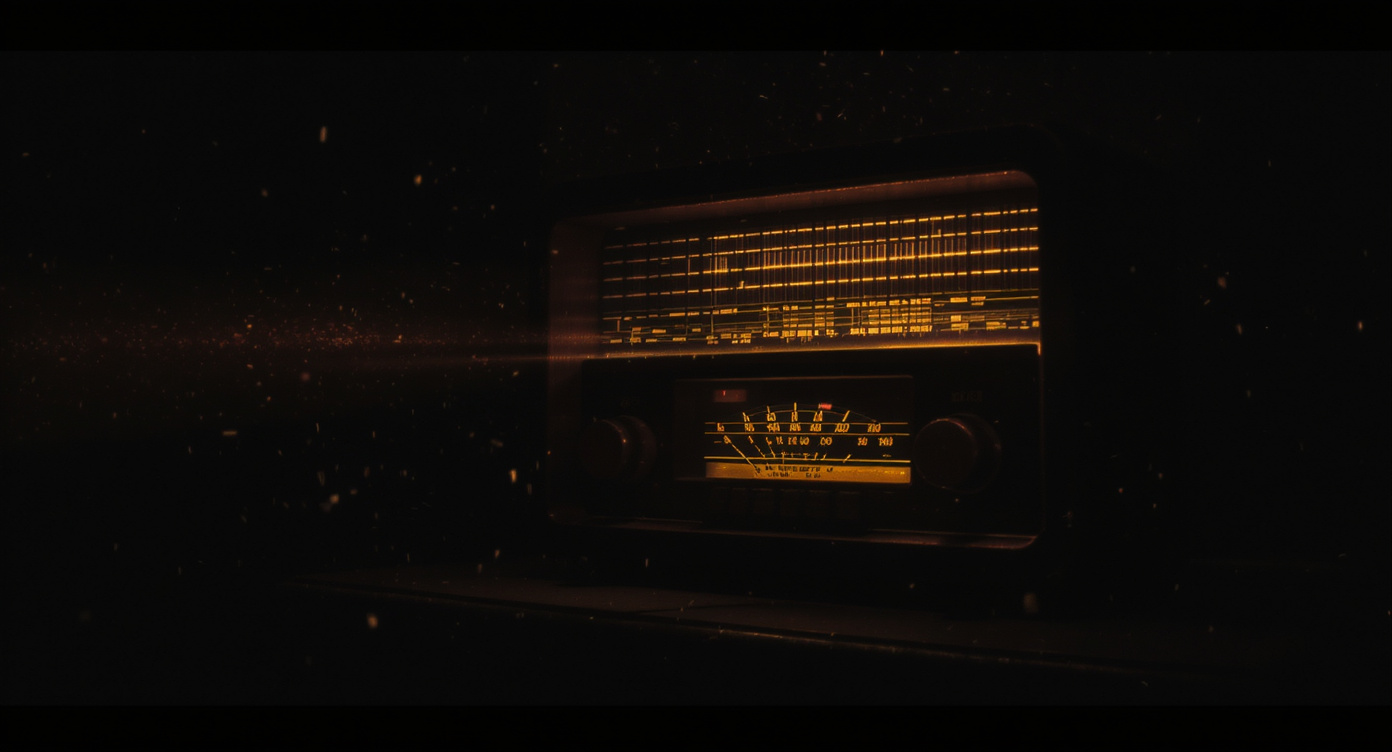
His grandfather had kept a shortwave radio in the back room until the end.
He'd found it there after the funeral, among the things that needed sorting — a heavy wooden cabinet with a dial that moved through frequencies, AM and FM and the shortwave bands where, if you were patient and knew what you were doing, you could hear voices from the other side of the world.
He didn't know what he was doing. He turned the dial.
Mostly static. The particular white noise of a radio between stations — not empty sound but layered sound, the accumulation of a thousand transmissions half-arriving, the noise of the electromagnetic world going about its business.
He sat in the back room with the static and thought about his grandfather.
His grandfather had been a difficult man to know. He'd had the quality of a person who had seen things they'd decided not to talk about, and had organised his life around the not-talking. He was kind, in his way. He listened. He kept this radio.
The static continued.
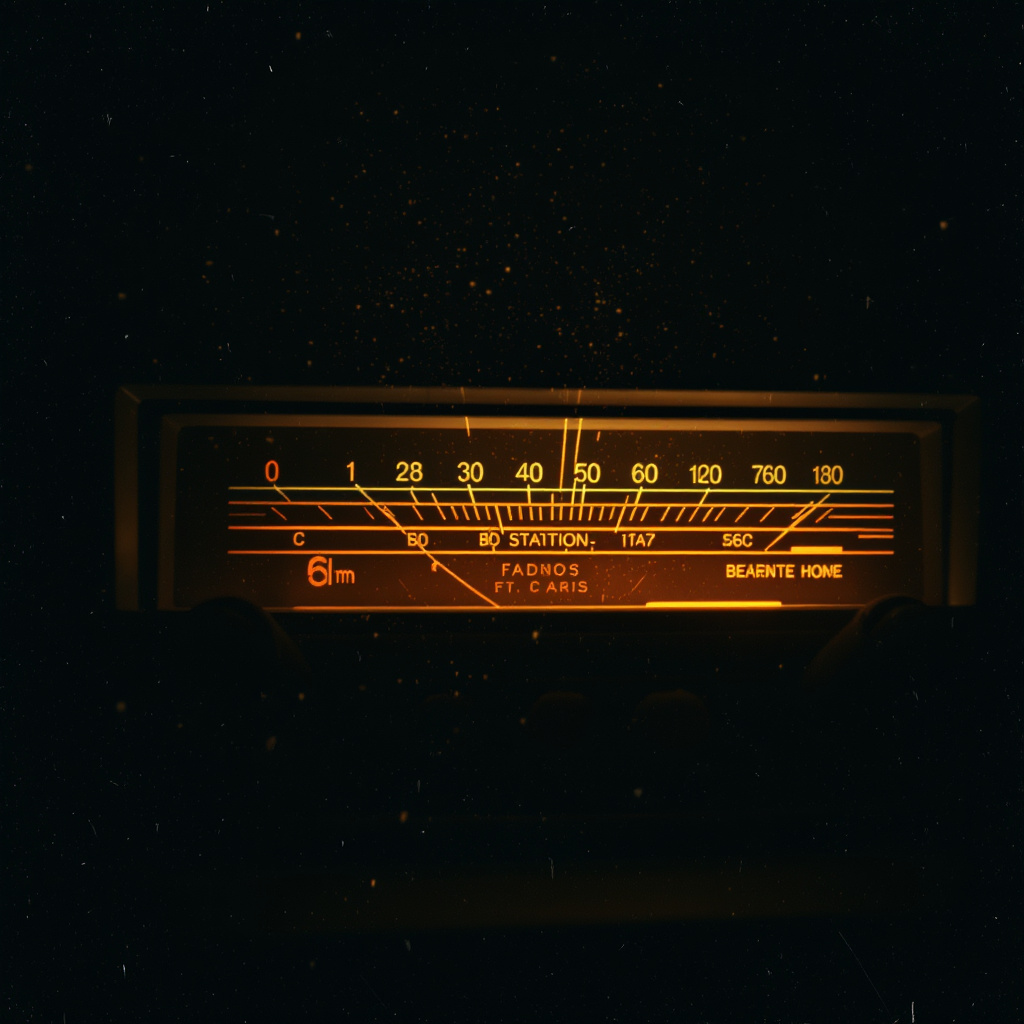
He thought: maybe this is what he liked about it. The patient tuning. The willingness to sit in the between-places. The faith that if you held the dial still enough, something would come through.
He left the radio on when he went to lock up the house.
He thought he heard, very faintly, a voice.
Or maybe just static.
He couldn't be sure.
He didn't need to be.
Between the stations, if you listen carefully, something comes through.
A beautiful next door