Beatriz was fourteen when her uncle came back. He had been away for three years, which was not exactly prison but was adjacent to it — a structured absence, her mother explained, that meant he had done something wrong and the wrong had to be measured out in time before he could be ordinary again. Beatriz had not been told clearly what the something was, only that it had hurt people, and she had filled the gap with what she imagined, which was probably worse than the truth.
He appeared at Christmas, thinner, with new shoes that were too careful-looking, and a manner that was very polite in the way people are polite when they don't know what they're owed. He sat at the corner of the table and said please and thank you for everything and ate everything he was given. Beatriz watched him the way you watch something you're not sure is safe — with attention and maintained distance. He had been her favourite uncle once. He had taught her to play the recorder, badly. He had let her stay up past midnight watching films that weren't for children. That person and this person occupied the same body and she didn't know what to do with that.
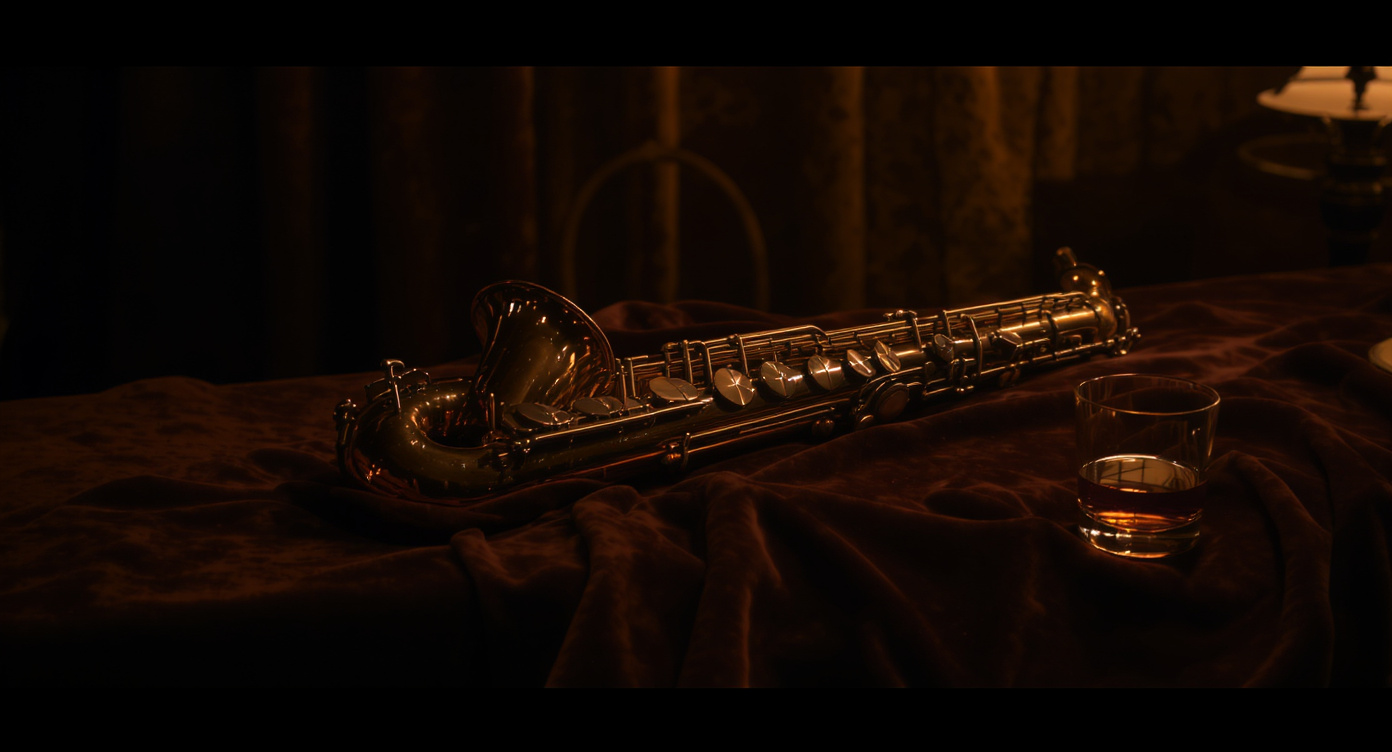
After dinner he played saxophone in the front room, just to himself, something slow and private that had no name she recognised. She sat in the hallway and listened without going in. The music was the same — she recognised the way he curved around a note, the particular hesitation before the resolution — and this was the thing that confused her most. She had expected that the thing he had done would have changed everything about him. Instead it had changed some things and left others exactly as they were, which seemed more complicated than she had words for.

She went in eventually. She sat across from him. He finished the piece and lowered the saxophone and said, "You grew up." She said, "You were gone." He nodded at that. He did not defend himself. She decided, sitting there, that she was not going to decide anything yet. That she could hold both things — the uncle who had hurt someone, and the uncle who had taught her to play — without resolving them into one thing or the other. That forgiveness, when it came, would not be the erasure of what he'd done. It would just be her refusal to let it be the only thing he was.
He left after New Year. She did not know when she would see him again. She kept the recorder.
People are not their worst moment. But their worst moment is still theirs. Holding both truths at once is the hardest and most human thing.
A beautiful next door