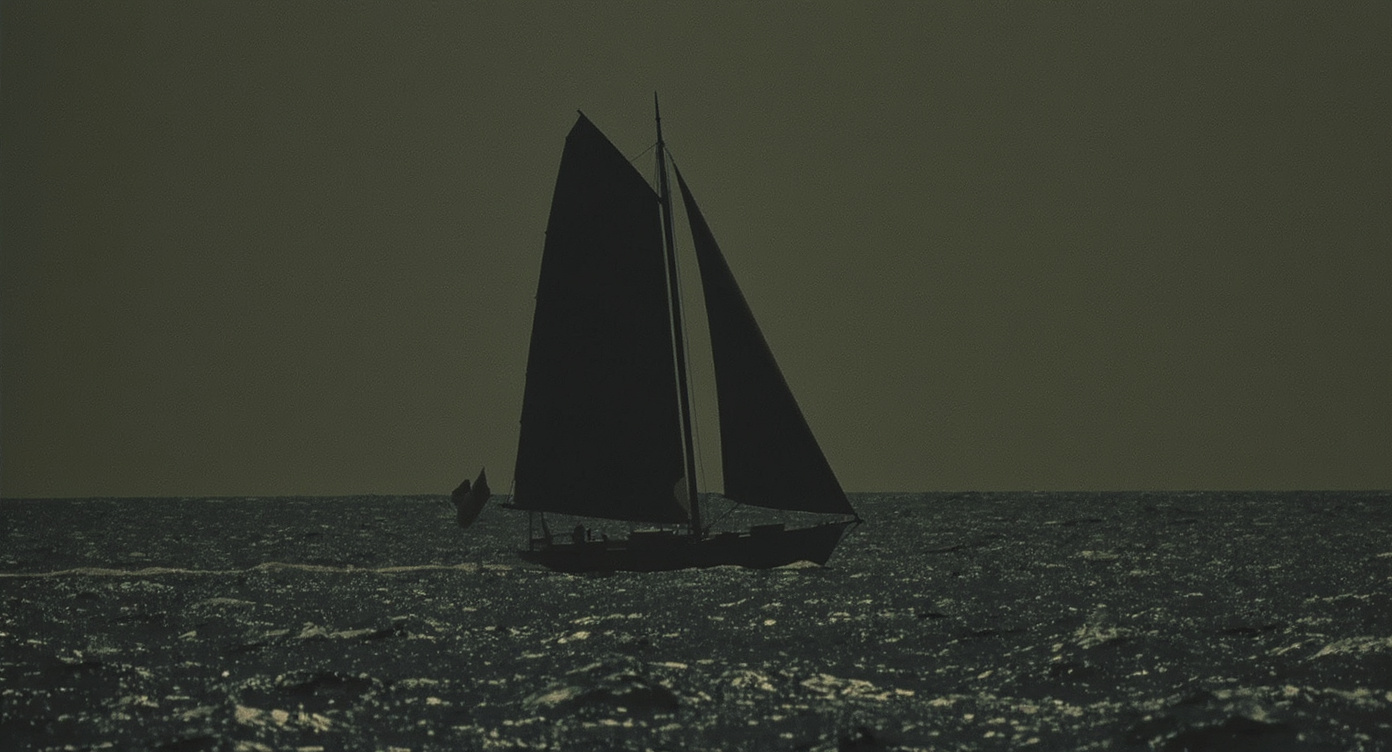
The morning they packed the blue house, Mara sat on the windowsill and watched her mother fold things. Not clothes — the *other* things. The clay bowl from the kitchen shelf. The photograph with the bent corner. The small wooden fish that had always hung above the stove, so long it had become part of the air in that room, the way certain smells are part of a place. Her mother wrapped each one in newspaper very slowly, as if rushing would be a kind of lie. She did not explain. She did not need to. Mara was eleven, which is old enough to understand that some silences are full, not empty.
Outside, the harbour was doing its ordinary morning things — the gulls arguing, the water going silver in the early light, a man in a yellow coat pulling rope. Mara had memorised this window. She had decided that morning, very quietly, to memorise everything: the loose board on the third step, the way the radiator knocked twice before it came on, the exact angle of the light in November. She pressed these things into herself the way you press a flower into a book, hoping they would keep their shape.
Her mother came and stood beside her without speaking. After a while she picked up Mara's hand and held it, not tightly, just held it, the way you hold something you are not afraid of losing because you know it will stay. "The fish is going in the green box," she said finally. That was all. But Mara understood it meant: *we are taking everything that matters. The harbour we cannot take. But the harbour is not what matters most.*
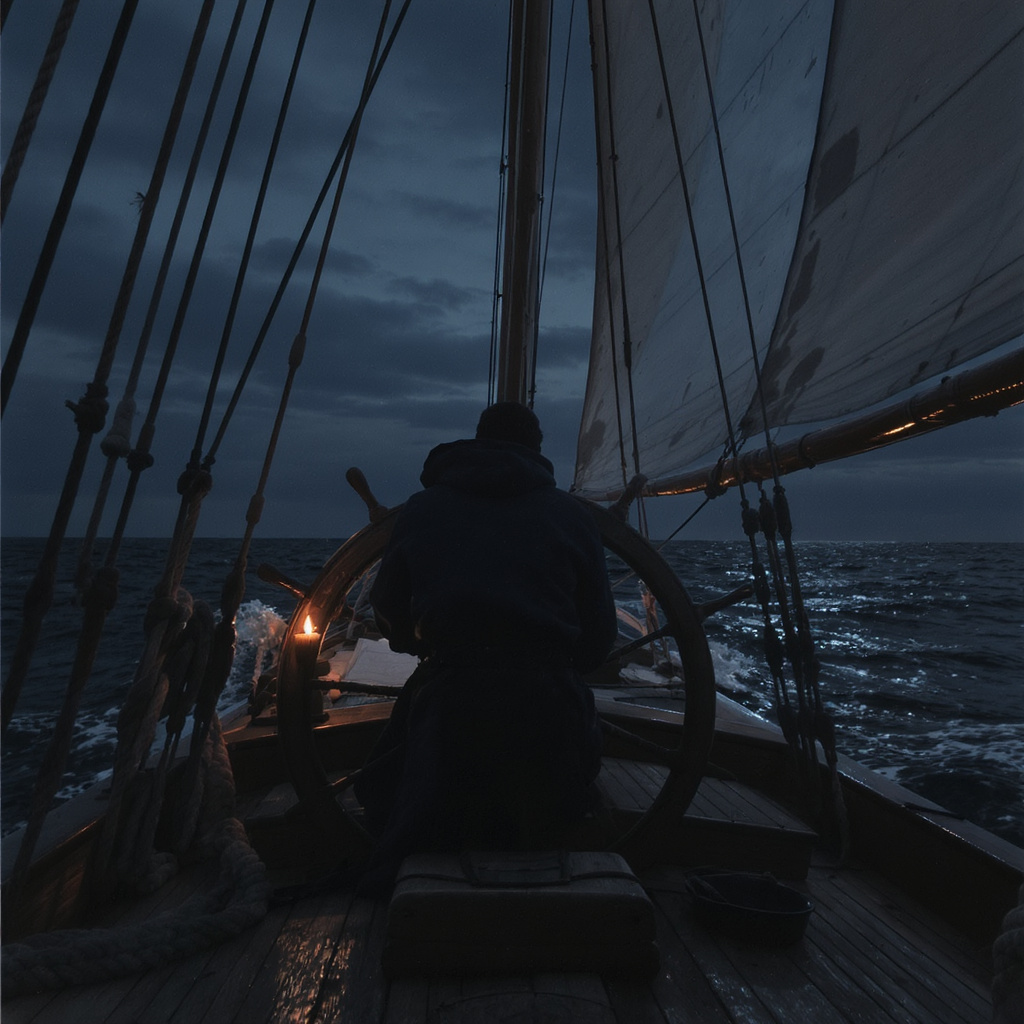
Mara had thought leaving was something that happened to you. Like weather. Like losing a tooth — sudden, and then it was done and the shape of things had changed. But watching her mother fold the newspaper around the little wooden fish, she understood that it was a thing people *did*, with their hands, carefully, one object at a time. And that doing it carefully was its own kind of love. Not love for the new place, which was still unknown and perhaps would be hard. Love for *this* place — for the blue house and the harbour — a love so serious it had to be protected inside newspaper and carried in a green box to wherever they were going next.
They left before noon. The ferry was loud and smelled of diesel and strangers. Mara stood at the back railing and watched the harbour grow small. Her mother stood beside her, coat buttoned, hair moving in the wind. Neither of them waved. You don't wave at something that already knows you. When the harbour finally disappeared into the grey line of the coast, Mara felt it go — but she also felt, somewhere under her ribs, the wooden fish, the bent photograph, the clay bowl. All of it still warm. Still there.
The people and places we love do not stay behind us — they learn to live inside the moving.
A beautiful next door