The box had been sitting in the corner of the garage for so long that Mara had stopped seeing it. It had become part of the wall, like the rusted bicycle and the tower of yellowed newspapers nobody ever threw away. But on a grey Saturday in November, when the rain was making the windows look like rivers, her mother asked her to find the winter blankets, and Mara moved the box, and the box was heavier than she expected, and she sat down on the cold concrete floor and opened it.
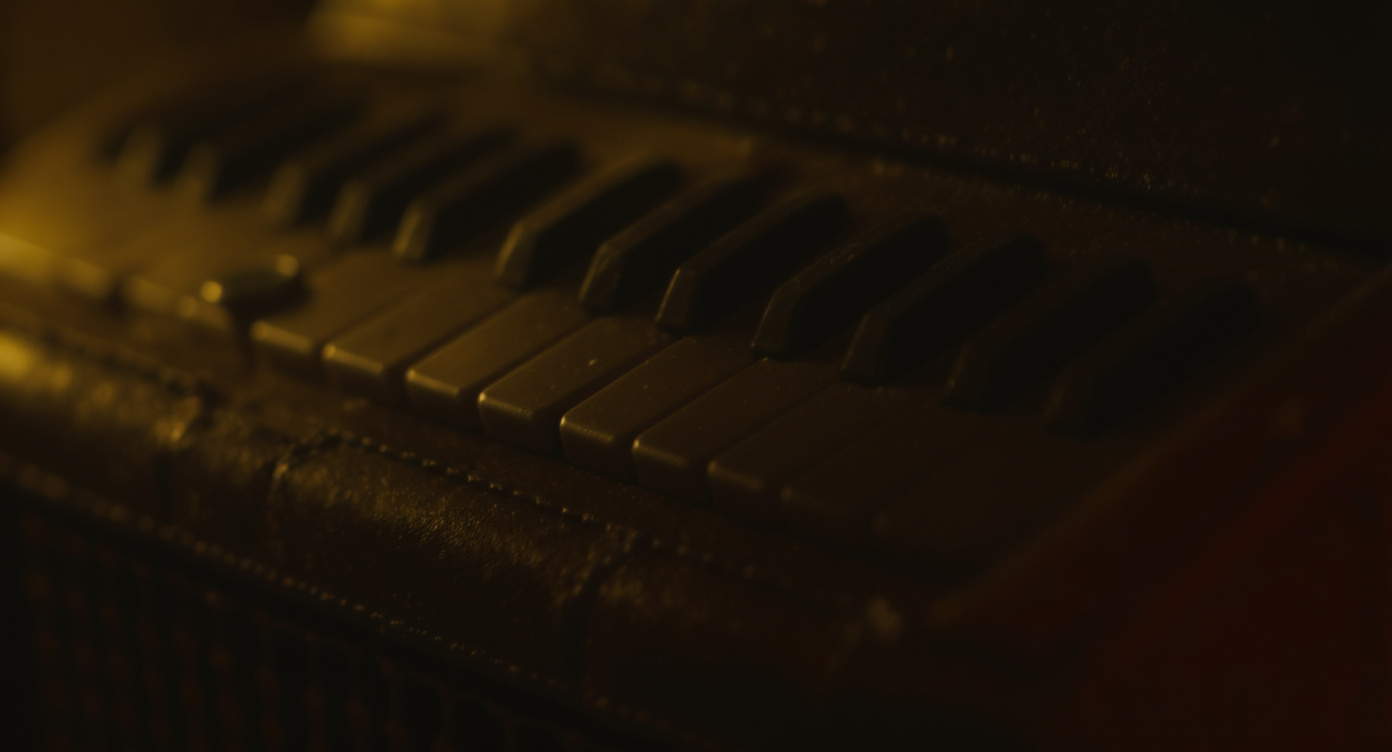
Inside, wrapped in a green cloth that smelled of something she couldn't name — something like pepper and old wood and a kitchen she had never been in — was an accordion. It was burgundy red, the colour of a dark rose, with ivory buttons along one side and a bellows folded shut like a sleeping mouth. Her grandmother had brought it from Portugal, her mother had once said, a long time ago, before Mara was born, before her mother was born, back when the world was a different shape.
Mara did not know how to play. She only knew what her hands wanted to do. She held the accordion carefully, the way you hold something borrowed, and she pulled the bellows apart with both hands. The air inside moved. It came out slowly, not as music — not yet — but as a long, low exhale, like a sigh the instrument had been saving. Mara felt it on her face. She sat very still. She thought: *this is old air. This has been inside here for years. Since before I existed. She breathed this air, pressed it in, and it has been waiting here ever since.*
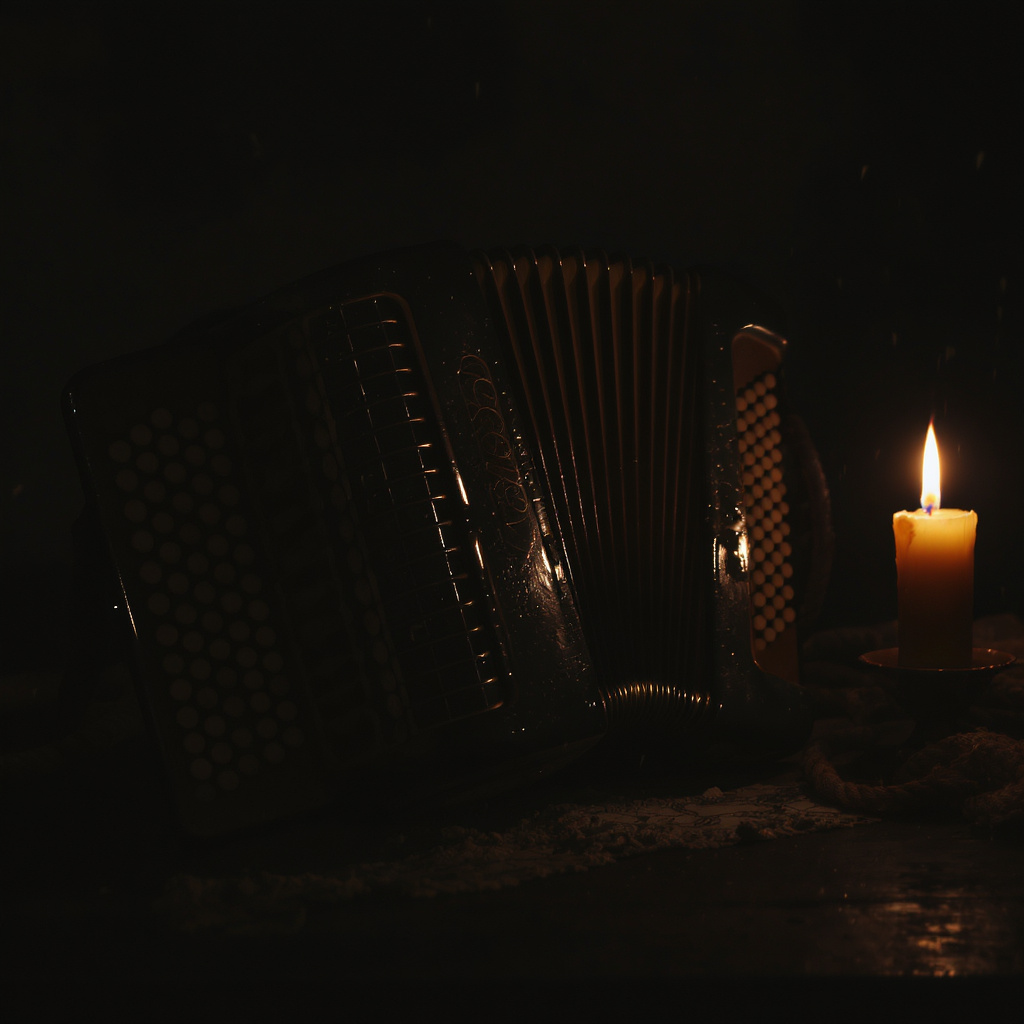
She did not cry. She felt something more interesting than crying. She felt the way you feel when you realise that the world is larger and older and more tender than you understood, and that the people who came before you were full of things — whole entire worlds of things — that cannot be packed into a sentence or a photograph or even a name. Her grandmother had played in a town by the sea. She had played at night. Mara knew this the way you know something that nobody told you. The accordion had a memory of its own, stored in its folds like pressed flowers.
Her mother appeared in the doorway holding a mug of tea, and saw Mara on the floor with the accordion in her lap, and said nothing for a moment. Then she sat down beside her on the concrete, and they stayed there together in the cold and the quiet while the rain came down outside, and Mara pressed the bellows once more, gently, and let the old air go.
The people we love leave traces in the things they touched — and sometimes, if we're quiet enough, we can still feel them breathing.
More Stories
A beautiful next door