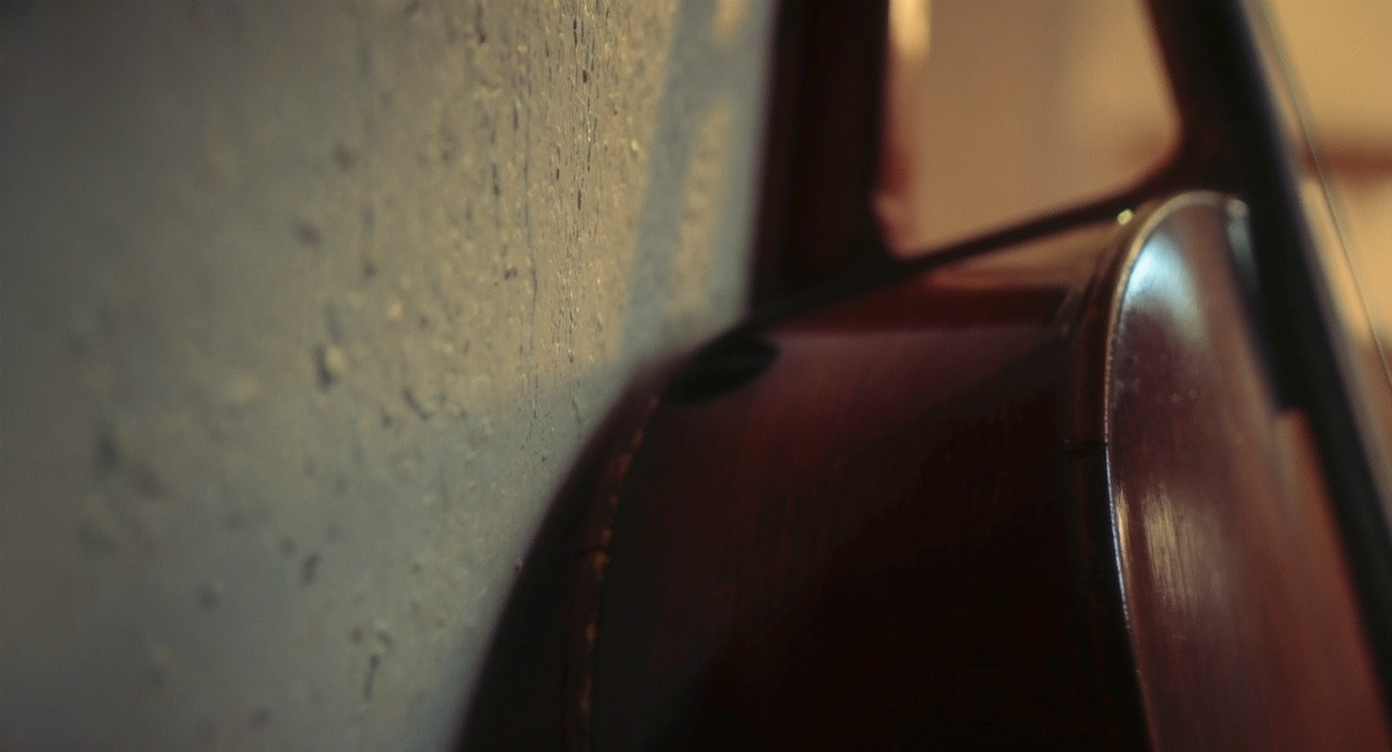
Inês had been playing cello since she was seven. At sixteen she injured her left hand in a fall that seemed trivial — a wet pavement, a wrong angle — and was told she could not play for four months. Four months was the teacher's concert. Four months was the regional competition. Four months was the particular version of herself she had been building since she was seven years old, and she sat in the hospital corridor holding her wrist in its bandage and felt that version of herself go quiet in a way she couldn't describe without crying, so she didn't describe it.
The hand healed, as hands do, but not in a straight line. There were two weeks of good progress and then a week of pain, then steadiness, then a setback that her physiotherapist called normal and which Inês called unbearable, because the difference between normal and unbearable is only whether you're the one waiting. She learned to do other things with her hands. She drew badly. She wrote better than she expected. She helped her mother cook elaborate things that required both hands and patience and produced something real at the end, which was more than she could say for physiotherapy.
When she finally played again, in March, the hand was not the same. There was a faint scar on the heel of her palm where the skin had broken, and the tendons moved differently in cold weather, with a slight drag, and her teacher said she might always feel it. She played through the first piece slowly and the sound that came out was not the sound she had been making in September. It was quieter in some places, more careful, with a weight she hadn't had before — the weight of understanding that the instrument could be taken away, which made every note more deliberate, more chosen, more hers.
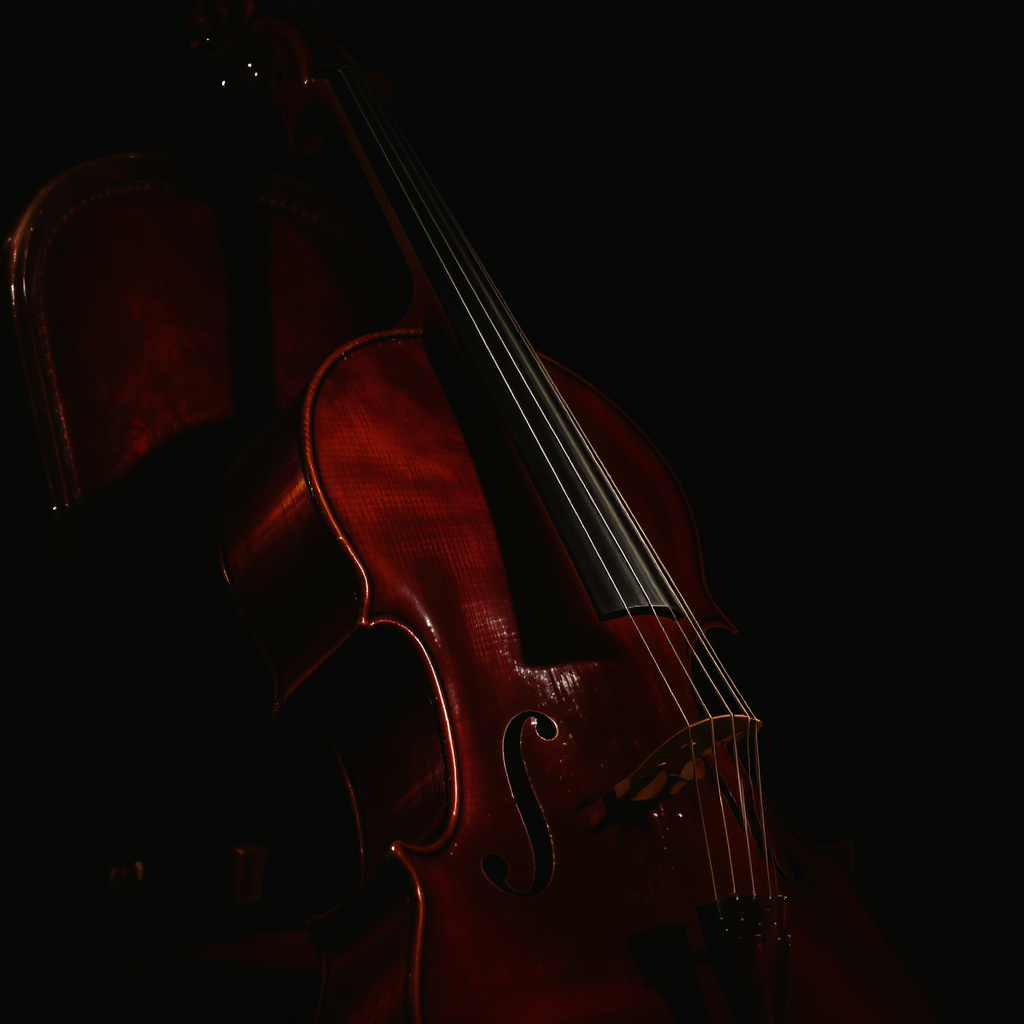
Her teacher said: "You play differently now." Inês asked if that was bad. Her teacher took a long time to answer, which was its own answer. "You play like someone who knows what it costs," he said finally. Inês looked at her hand. The scar was pale by then, barely visible, the kind of mark you had to know to look for. She knew to look for it. She pressed her thumb against it lightly, feeling the faint ridge, and thought: this is not what broke me. This is what I played through.
She kept the scar for the rest of her life. Some people asked what it was from. She said a fall. She never said it was the thing that taught her the difference between playing because she could and playing because she chose to, which is the difference that matters.
The marks we carry are not the evidence of damage. They are the record of love that held on.
A beautiful next door