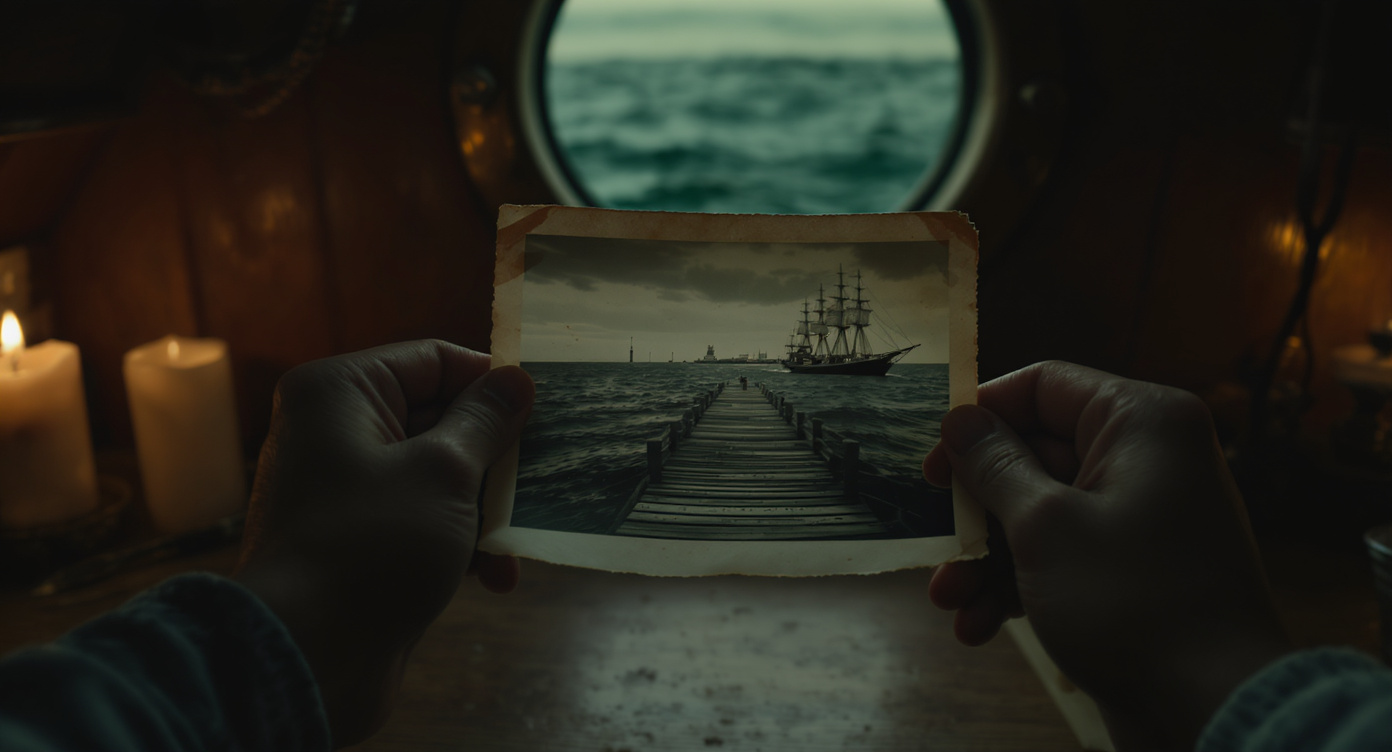
There was a photographer in a small coastal town named Anwar who had only ever taken one photograph he regretted, and it had taught him to work differently from every other photographer who set up along the pier.
Most photographers, when a ferry was about to leave, hurried. They lined people up, said "smile," and clicked before the gangway bell rang twice. Anwar had done this once, years ago, for a woman and the person seeing her off, and he had rushed the shot because the ferry horn was already sounding.
The photo came out blurred at the edges, a gull caught mid-flight that nobody had posed for, a hand on a shoulder that wasn't quite in focus. He'd handed it over anyway, because that's what you do, and he never saw the woman again to know if it mattered to her.
After that, Anwar slowed everything down.
He began arriving at the pier an hour before any departure, not to take the photograph yet, but to watch people standing together, deciding without knowing it which moment was the one they'd want to keep. He learned to recognize the stillness just before someone realizes they're about to lose something — a particular way the shoulders settle, the eyes stop scanning the crowd and fix on just one face.
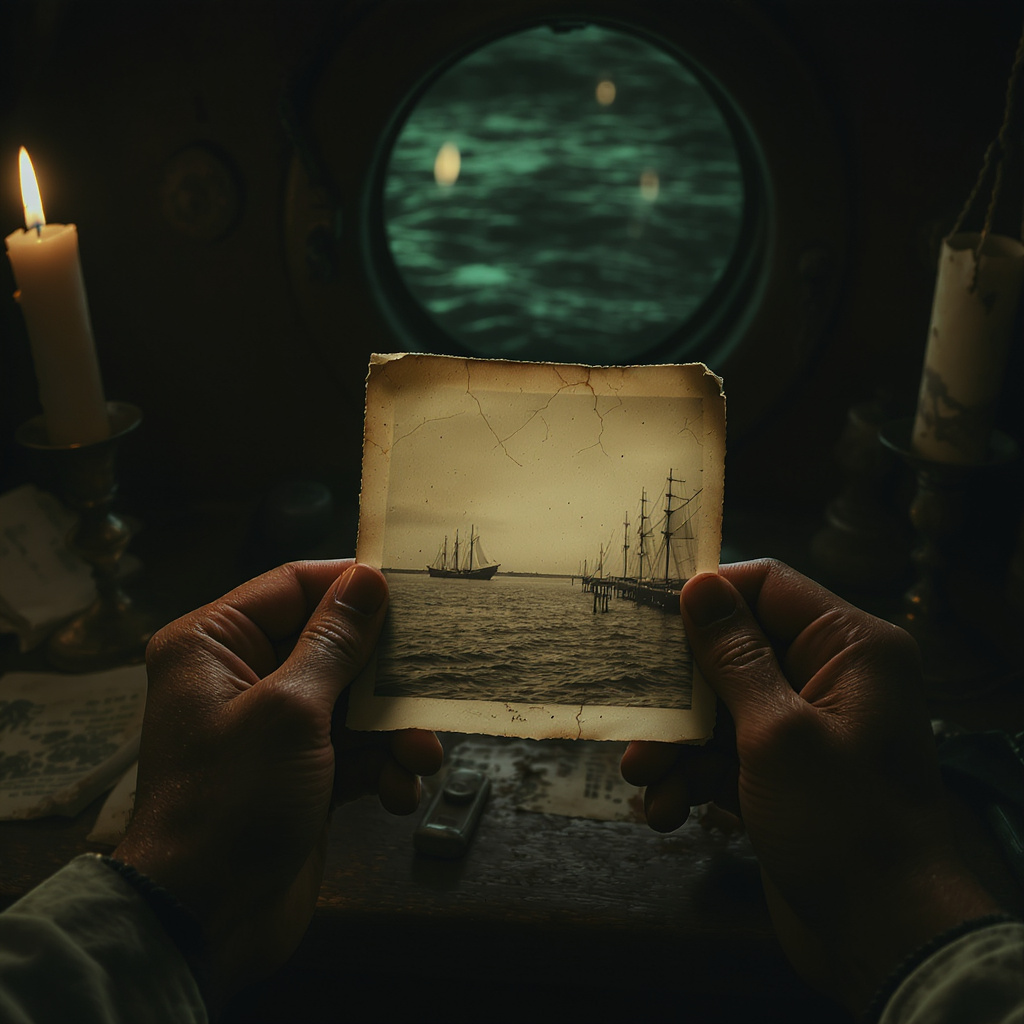
"Wait," he would tell them, lowering his camera instead of raising it. "Not yet. Look at each other a little longer first."
People found this strange. Some left without letting him take the photograph at all, too impatient, too certain there'd be other ferries, other days. He let them go without complaint.
But the ones who waited — who stood at the rail an extra minute, who counted the buttons on a collar or the gulls overhead simply because Anwar had given them permission to do nothing else — those photographs came out different. Sharper, somehow, even when the light was poor. As if the camera could tell the difference between a moment grabbed and a moment given.
Anwar kept no photographs of his own. He only kept the practice: that the worth of a likeness has very little to do with the camera, and everything to do with whether someone was finally still enough, for once, to actually look.
He still thinks sometimes about the blurred gull, the unfocused hand. Not with shame anymore. Just as the reason he learned, eventually, what waiting is for.
More Stories
A beautiful next door