For eleven months, Marco trained for the Regional Athletics Championship.
He ran before school, in the rain, on days when his legs ached and his breath came in ragged gasps. He said no to birthday parties and film nights and lazy Sunday afternoons. He had a plan, and the plan was: win.
His best friend, Dani, came to every practice for the first few months. She'd sit on the wall and time him with her phone and shout things like "you're getting faster, I can see it!" But gradually she came less, and then not at all. Marco told himself he'd catch up with her after the race. After.
The day of the championship, his family drove two hours to watch. He ran the best race of his life. He crossed the finish line first, and the sound of the crowd hit him like a wave.
They gave him a gold trophy. He held it up for the photo.
On the drive home, he texted Dani. *I won.*
She replied after a long time. *I know. Congratulations.*
That was all.
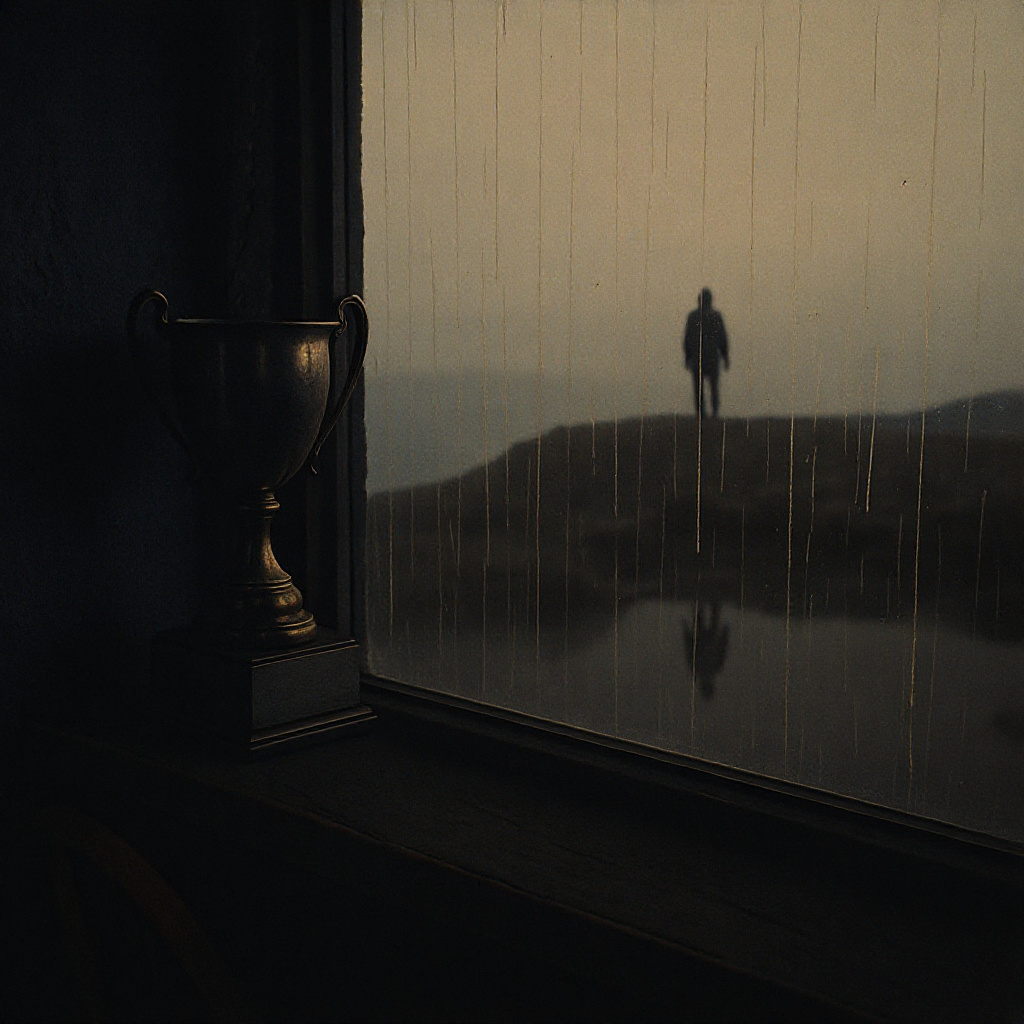
At home, Marco put the trophy on his shelf. He stood back and looked at it. It was real, and heavy, and exactly what he had worked for.
But his room felt very quiet.
He called Dani.
"I missed your birthday," he said. "And the film night. And about nine thousand other things."
"Eleven," she said.
"I'm sorry," he said. "I thought winning was the thing that mattered most."
There was a pause.
"You ran really fast," Dani said. "But you've always been fast. That was never the most interesting thing about you."
Marco looked at the trophy again. It still looked the same. Gold and heavy and real.
But he understood something now that he hadn't understood before: a trophy can tell you what you achieved. It can't tell you what it cost. Only you know that — and only you get to decide if it was worth it.
"Can I come over tomorrow?" he asked.
"Yeah," she said. "Bring the trophy. I want to see how heavy it is."
He laughed, and it was the first real thing he'd felt all day.
Before you chase something, it's worth asking: who wins if I win?
A beautiful next door