Chapter 12 · 3 min 48 sec
The Letter I Finally Post
The lit window as love's most silent language — a mother's vigil made visible.
Lyric Video
Lyric Video
Lyrics· 290 words
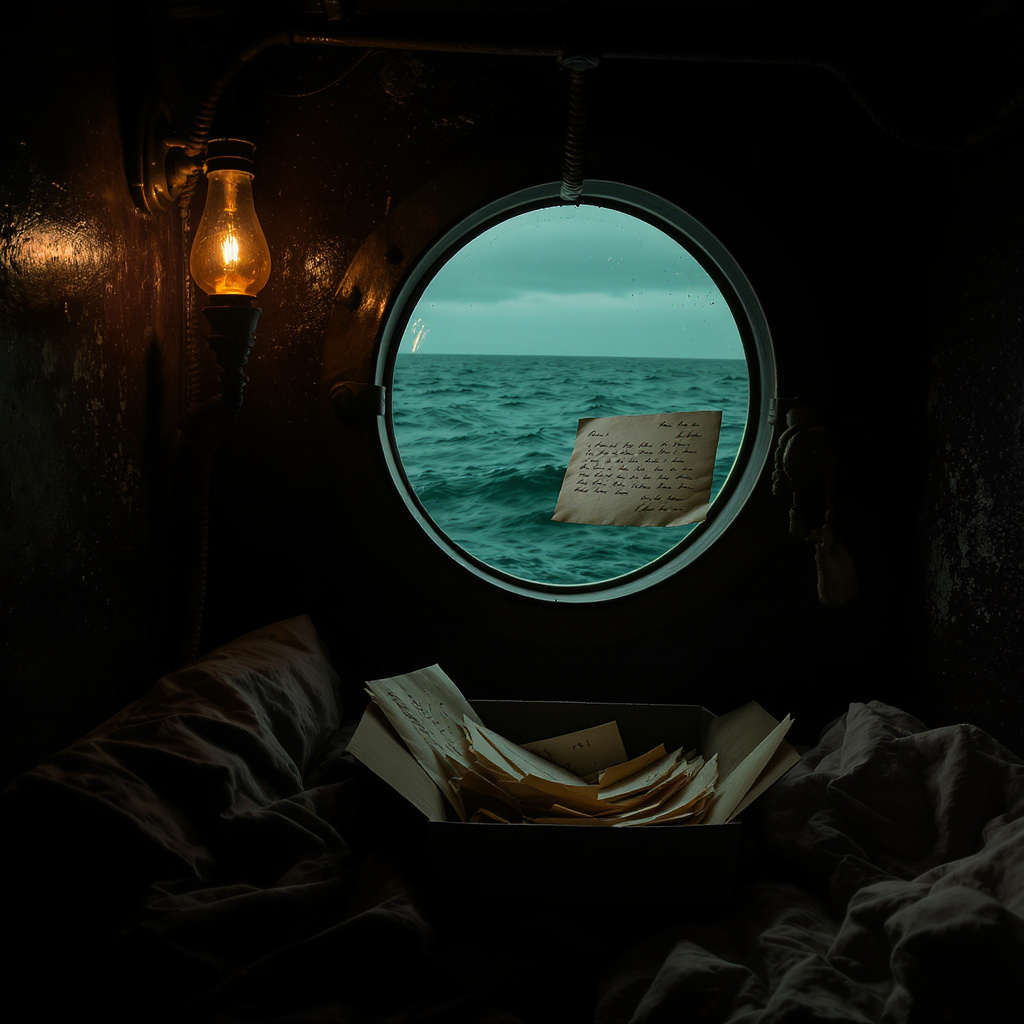
[Verse 1] I took the shoebox out for the very last time Eleven old letters, none of them mine anymore I burned ten in the lamp and I watched the smoke climb And kept just the words that I'd been running before
[Verse 2] I wrote it again in my own steady hand No seven disguises, no maps to nowhere Just I'm sorry, I left, and I should understand That you waited at a door I never walked back to repair
[Chorus] So I'm posting it now from the foot of the pier No false name on the envelope, nothing to fear If it reaches you slow or it reaches you never I said it once honest, and that's mine to keep, not the letter
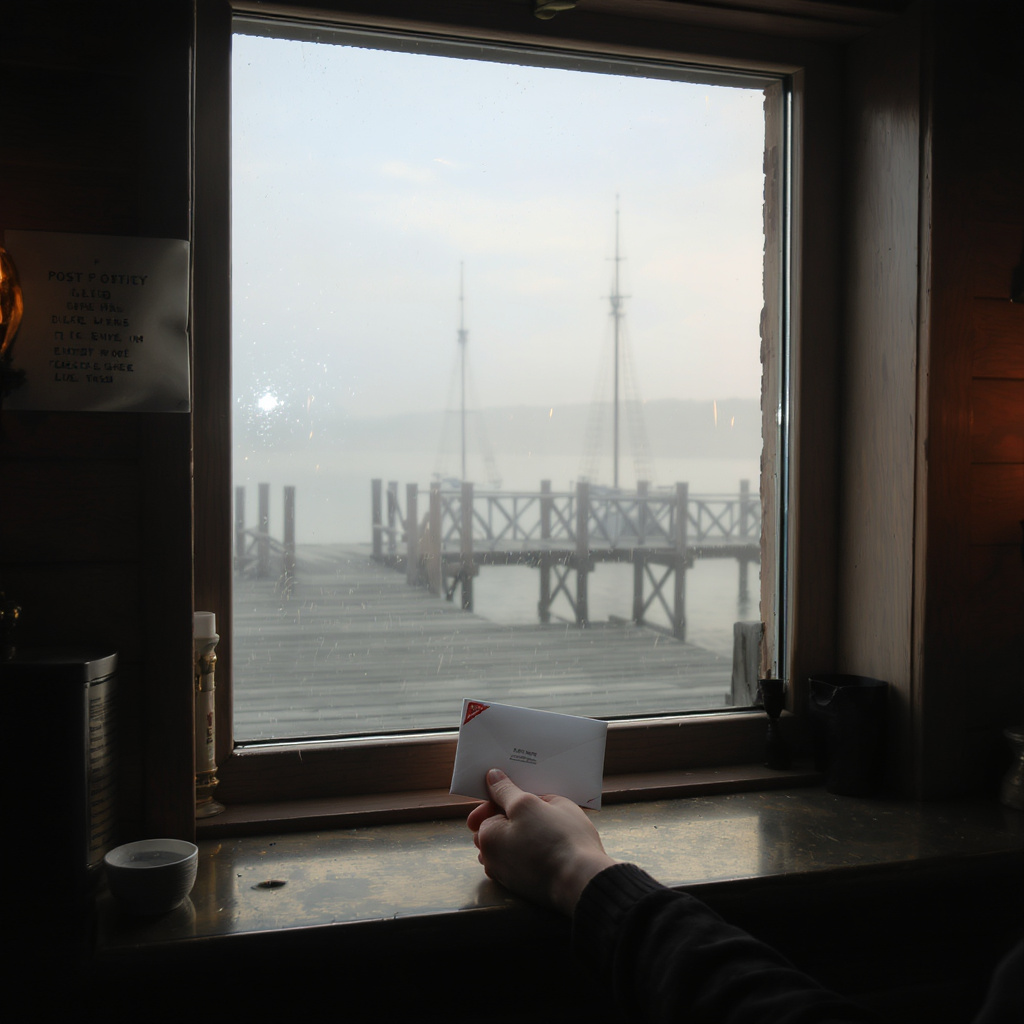
[Verse 3] The clerk at the window barely looks up from her desk She stamps it and slides it away with the rest Of a hundred regrets going out with the tide Mine's just one more, but it's mine, and it's mine to decide
[Chorus] So I'm posting it now from the foot of the pier No false name on the envelope, nothing to fear If it reaches you slow or it reaches you never I said it once honest, and that's mine to keep, not the letter
[Bridge] (quiet resolve) I used to think courage was a louder thing. Turns out it's just a stamp, a steady hand, a door you finally stop checking is locked behind you.
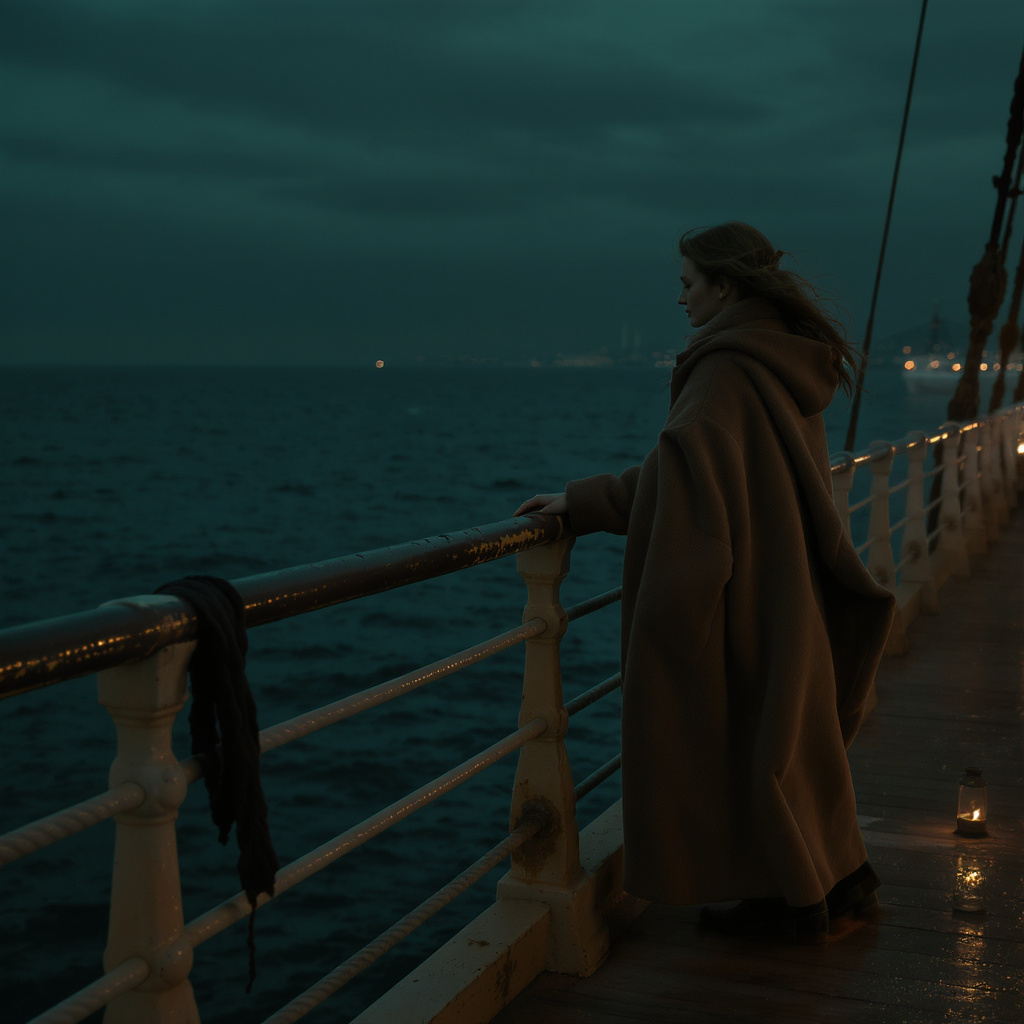
[Outro] The boat for home leaves at the top of the tide I'm not the same woman who boarded that other side I gave the sea my name and it gave one thing back The courage to send what I'd carried, and not carry the lack
Short Story
*A story for curious minds*
At the foot of a wooden pier, in a post office no bigger than a closet, there worked a clerk named Dilnoza who had stamped so many letters over so many years that she rarely glanced at the faces of the people sending them.
This suited most of her customers fine. People sending difficult letters, she had noticed, generally preferred not to be looked at too closely while doing it.
One morning a woman came in holding a single envelope, no fancy paper, no wax seal, just an address written plainly in steady handwriting. She set it on the counter the way you set down something you've been carrying so long your arm has forgotten any other position.
"Will this get there?" the woman asked.
Dilnoza weighed it without looking up. "Most things do, eventually, if the address is honest."
"It's honest," the woman said. "It took me a long time to make it honest."
Dilnoza stamped it and slid it into the outgoing bin with the others — bills, birthday cards, a dozen ordinary apologies she'd never know the contents of — and the woman stood there a moment longer than the transaction required, as if waiting for something more to happen.
Nothing more happened. That was, in its own way, the whole point.
"Is that strange?" the woman asked. "That I expected more?"
Dilnoza had heard this question before, in different words, more times than she could count. "Courage doesn't usually announce itself," she said. "It's not the storm. It's the morning after, when you do the ordinary, boring thing you were too afraid to do the day before. A stamp. A steady hand. That's most of it, really."
The woman laughed, surprised, and some of the tightness left her shoulders.
She walked back out onto the pier where a boat waited to take her home, and Dilnoza went back to weighing the next letter in line, already forgetting the woman's face, as she forgot most faces, because that wasn't her job. Her job was simpler and, in its way, more important: to make sure that whatever someone finally found the nerve to say got carried the rest of the way, quietly, without making a fuss about how much it had cost to write it.
That was the whole of the magic, if you could call it that. Just an ordinary window, and someone on the other side, willing to take what you handed her and trust you with the sending.
More From This Album