Chapter 12 · 3 min 41 sec
The Name I Was Never Told
The lit window as love's most silent language — a mother's vigil made visible.
Lyric Video
Lyric Video
Lyrics· 266 words
[Verse 1] The lawyer slid the papers across the table Next of kin, full names, nothing left blank There it was, between my father's and my own A name I had never once heard spoken aloud
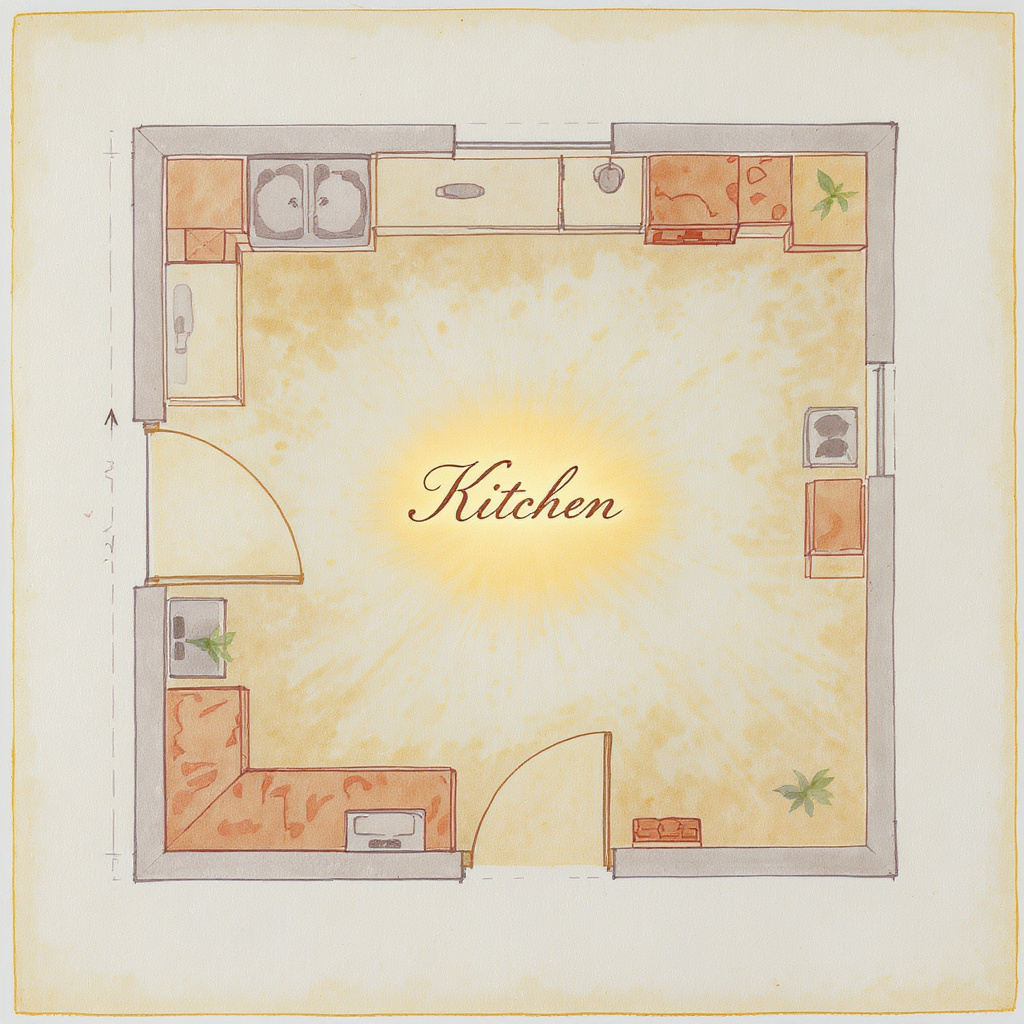
[Verse 2] Thomas. Thomas Alan. Born March, died May Thirty years I walked past that name in silence I drove to the empty house before the new owners came Stood in the kitchen and said it for the first time
[Chorus] Thomas, I'm mapping you onto the atlas now Thomas, you get a room, you get a road, you get a name I'm not angry it took this long to find you I'm just glad I get to say it before the house is gone
[Verse 3] The walls didn't answer, the kitchen stayed quiet But something in my chest unlocked like an old shed door I said it twice more, just to hear how it fit Thomas. Thomas. Like he'd always had a chair at the table
[Chorus] Thomas, I'm mapping you onto the atlas now Thomas, you get a room, you get a road, you get a name I'm not angry it took this long to find you I'm just glad I get to say it before the house is gone
[Bridge] Thirty years of an outline, thirty years of a question mark One name on a legal page and the whole shape changes I carried you without knowing what to call the weight Now I know, now I know, now I know
[Outro] Thomas Alan, born March, died May I'm saying it so the house remembers too
Short Story
*A story for curious minds*
At the records office of a small county courthouse, there worked a clerk who had spent thirty years filing names — births, deaths, marriages, the quiet paperwork of entire lives reduced to a line and a date.
One autumn, a man in his thirties came in asking for his family's full lineage, something he needed for a legal matter involving a house being sold. The clerk pulled the record and slid it across the counter, the way she'd done thousands of times before, expecting nothing unusual.
The man went very still, reading it.
"There's a name here I've never heard," he said. "Between my father's and my own. A brother."
The clerk had seen this happen perhaps a dozen times in her career — a name surfacing from a record that families had quietly agreed, without ever voting on it, to stop saying out loud. She didn't rush him. She simply waited, the way she'd learned to wait for people doing arithmetic with their whole childhood in real time.
"Eleven months," the man said finally, reading the dates. "He didn't even make it a year."
"Do you want a copy of this page?"
"I want to know if it's really true. Officially true. Not just a rumor or a guess."
"It's in the county record," the clerk said. "Filed the same week it happened, by your own father's signature. As true as anything gets written down."
The man thanked her and left with the copy folded carefully into his coat, and the clerk thought, as she often did after moments like this, about how strange her job really was — that she spent her days guarding the small, official proof of things that families sometimes spent decades trying not to feel the weight of, and that every so often, someone walked in not for a deed or a license but for permission, in a sense, to finally say a name they'd been carrying without a sound to put to it.
She filed the request, as she always did, and turned to the next person in line. But she found herself, that evening, thinking of the man driving somewhere — probably to an empty house, she guessed, the way it usually went — to stand in some quiet room and say a single word out loud for the first time in thirty years, to no one, to everyone, to the house itself.
More From This Album