Chapter 13 · 3 min 59 sec
The Unlocked Door
Grief that has found its proper place — the presence of the absent, held with dignity.
Lyric Video
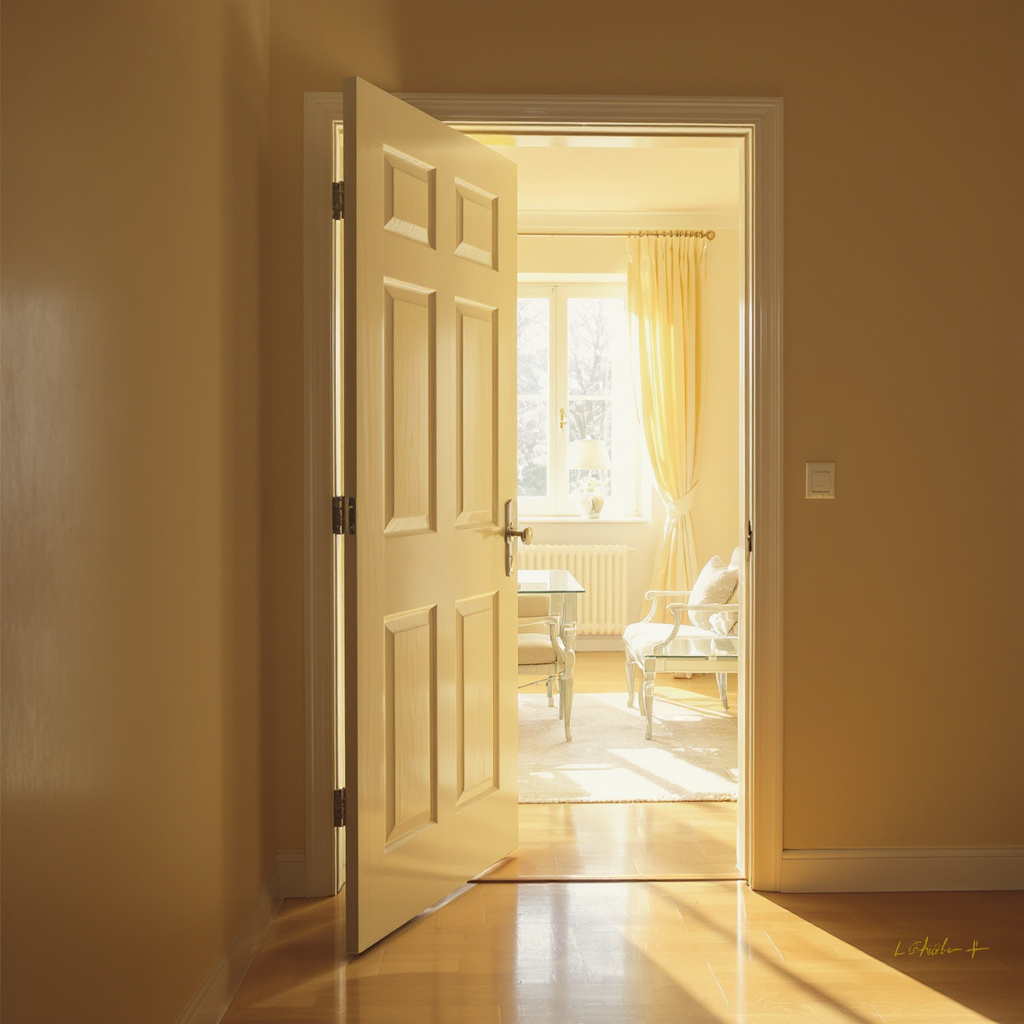
Lyric Video
Lyrics· 247 words
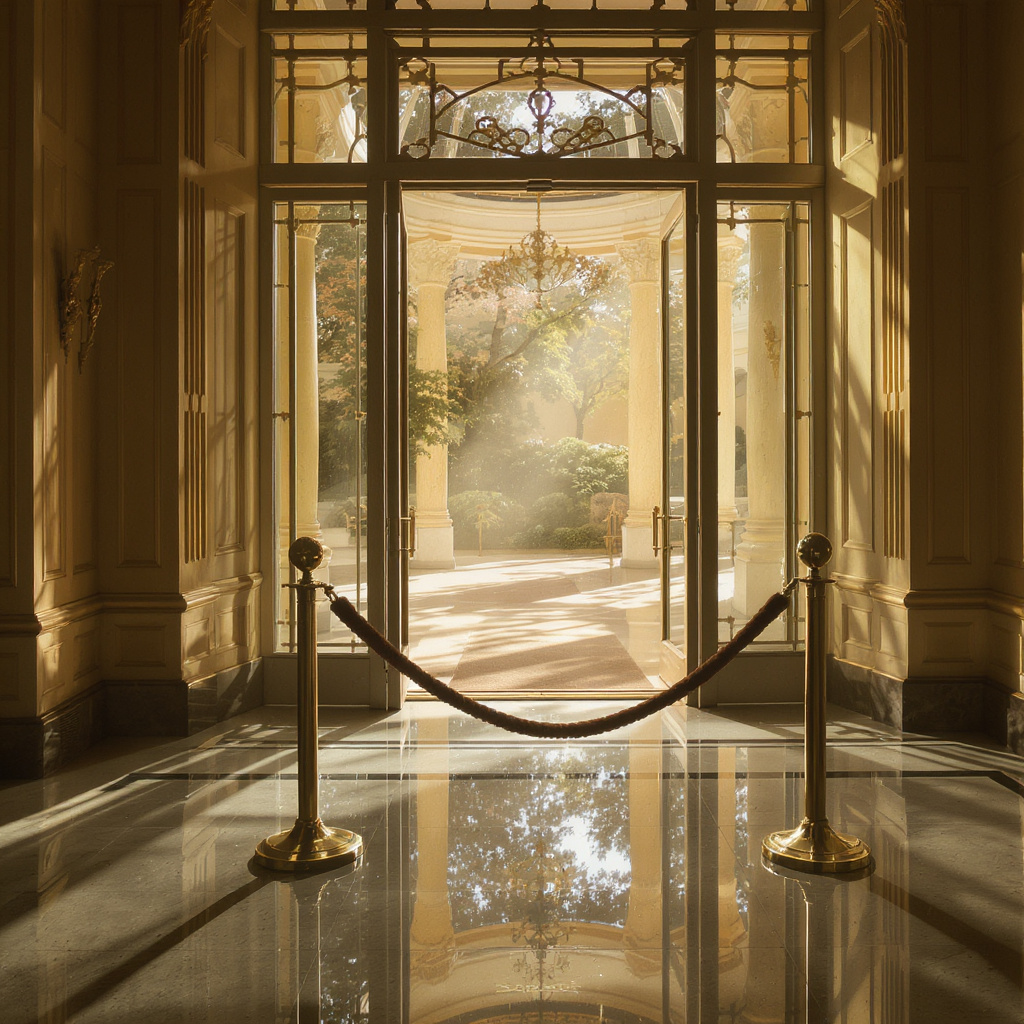
[Verse 1] I called the locksmith back in March Not to fix it this time, to take it off completely He asked if I was sure, said most people want it stronger I said no, I want to be able to choose A door without a lock isn't the same as a door that's broken One is fear left unattended The other is a decision I wanted the second one this time
[Verse 2] The back room isn't a secret anymore I moved the chair, I left the hinge exposed Anyone could walk in if they wanted That used to be the thing that kept me up Now it's just a fact about the building A door that opens because I let it Not because I forgot to guard it There's a difference and I finally feel it
[Chorus] Open now, open now Not because I have to, because I chose to Open now, open now The room behind it isn't dangerous anymore It's just mine
[Verse 3] You can walk through it if you want to I won't follow you in to narrate There's no placard, no plaque, no curated lighting Just whatever you find, exactly as it is I used to think a locked door was the only safety Turns out the safety was deciding Not the lock, not the chair, not the hiding Just me, finally choosing who gets to come close
[Outro] Open now Open now And I'm still standing here, still whole
Short Story
*A story for curious minds*
A beekeeper named Orso had kept his hives behind a tall wooden fence for as long as anyone in the valley could remember, ever since a bad spring years back when careless visitors had startled the bees and gotten badly stung, and Orso, mortified and frightened, had built the fence within the week. It worked. No one got hurt again. It also meant no one ever saw the hives at all, and Orso found himself, over the years, peering through the gaps more than he liked to admit, checking that the boards were still solid, that nothing had shifted, that the barrier was holding.
He could have just repaired the fence forever. Boards rot. There was always a reason to keep reinforcing it.
Instead, one spring, he hired a carpenter and asked her to take the whole fence down.
The carpenter, surprised, asked if he wanted it rebuilt sturdier somewhere else, a stone wall maybe, something that couldn't rot. Orso said no — he didn't want it stronger, he wanted it gone. "A fence I have to keep fixing is just fear wearing work clothes," he told her. "I want people to be able to walk up to the hives if they want to. I'm not protecting myself anymore. I'm choosing to let them close."
The hives stood in the open field after that, visible from the road for the first time in a decade. Orso didn't stand guard over them either. He simply went about his work, and if visitors wandered close, he'd walk over, unhurried, and tell them how to stand so the bees wouldn't mind their presence — not because he had to, but because he wanted to, now that wanting and having to weren't tangled together anymore.
Some afternoons, no one came near the hives at all. Other afternoons, children from the village would creep close, breathless, and Orso would let them watch the bees work without narrating every single thing, without warning them away from every possible danger, just present, just available if they had a real question.
He thought, more than once in that first open summer, about how strange it was that taking the fence down had made him feel less exposed, not more. The fence, it turned out, had only ever protected the fear. The bees themselves had never needed it at all.
More From This Album