The attic smelled like cedar and old rain, and Mina had been sent up there only to find a box of winter blankets. She found the blankets. But she also found, wedged between a broken lamp and a stack of magazines whose covers showed people no one remembered anymore, a brown leather case the shape of a sleeping animal. She undid the brass clasps without knowing why, the way you open a door that has no reason to be interesting and discover a whole different weather on the other side.
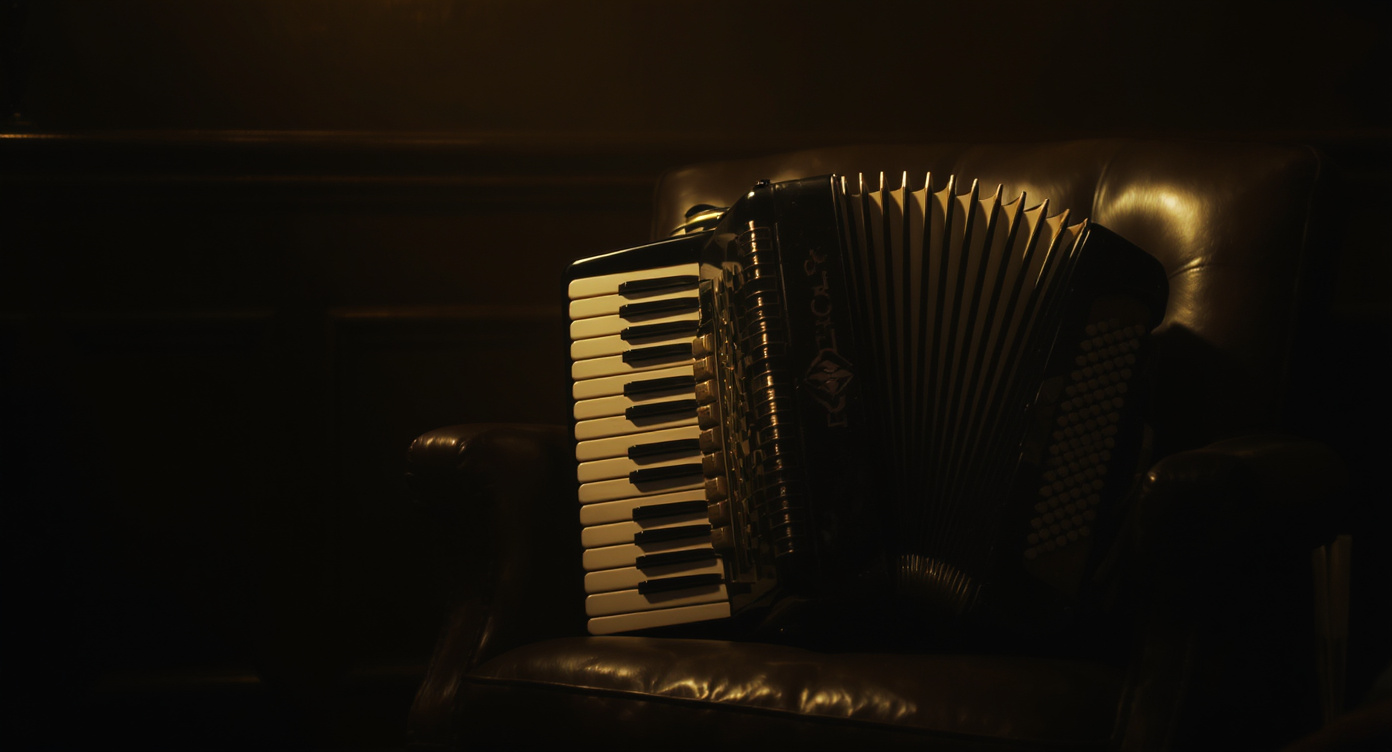
Inside was her grandmother's accordion — cream and black and wine-red, with buttons like small moons and bellows folded into pleats like a letter that had been opened and closed ten thousand times. Mina had seen her grandmother play it once, at a garden party years ago when Mina was very small, and the sound had moved through the summer air in a way that felt private, like it was meant for someone who wasn't there. She had never thought to ask about it. Now her grandmother was gone, and here it was, still breathing.
She lifted it onto her lap and it was heavier than she expected, heavy the way something is heavy when it has been important. She pressed the bellows gently and a single note fell into the dusty light — low, uneven, trembling slightly at the edges. It was nothing like the clean sharp sounds that came from her phone or her headphones or the speakers downstairs that never seemed to need anything from you. This sound needed her. It needed her arms to open and close, her breath, her patience. It was asking.
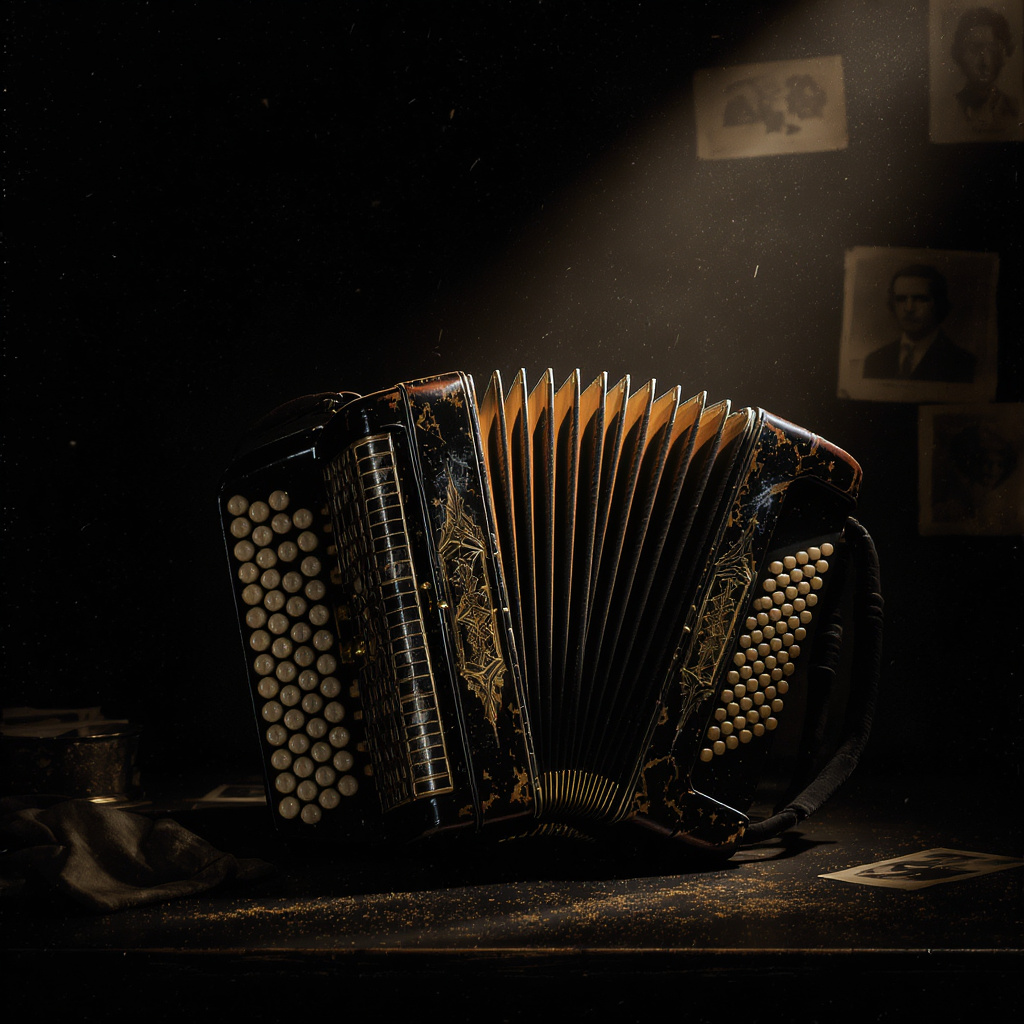
She sat with it for a long time, not playing songs, just learning the weight of it. Push. Pull. The note changed. She thought about her grandmother's hands, which had been small and quick and always a little cold, and how they had known this exact resistance, this same drag of air through old reeds. Somewhere in the bellows, she thought, her grandmother's breath was still folded up inside. It was a strange thought, and she let it be strange, and did not try to make it smaller by explaining it.
When she finally carried it downstairs, she didn't play it for anyone. She set it on the kitchen table and made herself a glass of water and looked at it while the refrigerator hummed its modern, tireless hum beside her. She would learn three chords before winter. Maybe four. She had nowhere particular to be.
The oldest things ask the most of us — and that is exactly what makes them worth carrying.
A beautiful next door