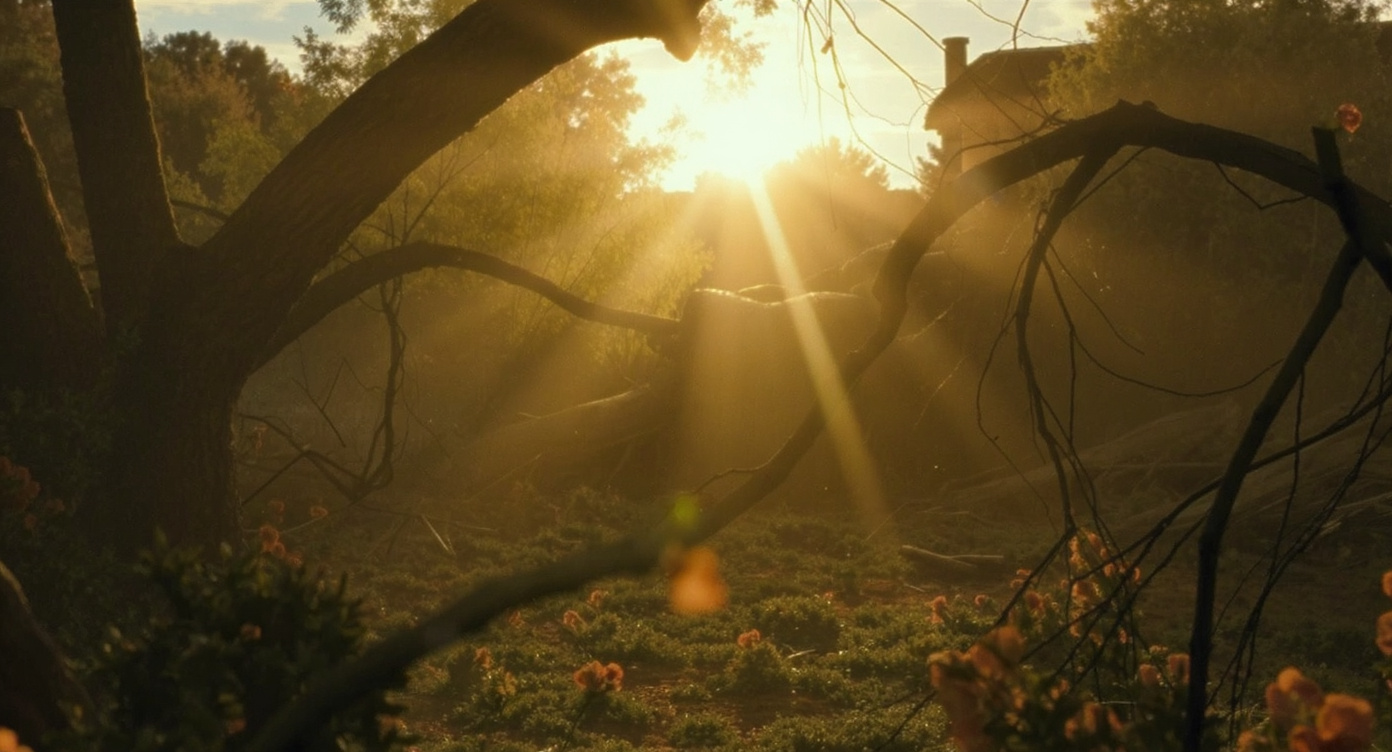
The storm took the rose arbour entirely.
She'd built it herself, fifteen years ago, with a kit and more optimism than experience. Her husband had watched from the door, alternately offering advice and being told to go away. They'd planted the roses together. They'd watched them for fifteen years, pruning them badly and then better, learning over time what they needed.
The storm took the arbour in twenty minutes. She found it the morning after, collapsed across the lawn.
She cleared the wood over three days. Her husband helped. They didn't talk much about the arbour. They stacked the wood and cleaned up the mess and looked at the blank space where it had been.
She thought she would feel worse about it than she did.
What she actually felt was: well. Fifteen years. We got fifteen years out of it.
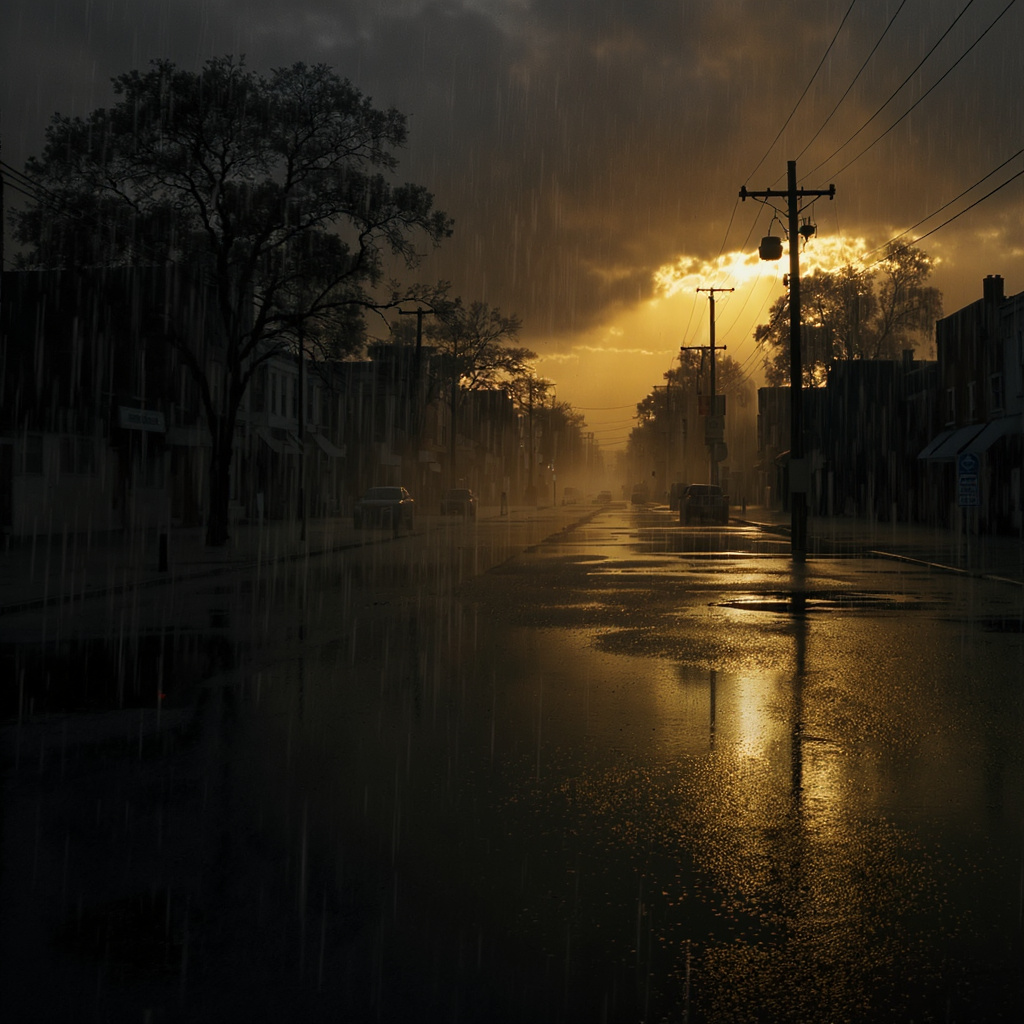
And then: where should we put the new one?
They talked about where. They agreed on somewhere else — somewhere with better light, actually. Somewhere they'd passed over the first time for reasons they couldn't remember.
He ordered the kit. She ordered the roses.
They planted the new ones in the place with better light, in the space the loss had made available.
The following spring she cut the first bloom and brought it inside and set it in the kitchen window.
It was, somehow, the same rose.
The storm doesn't end the garden. It changes where you plant.
A beautiful next door