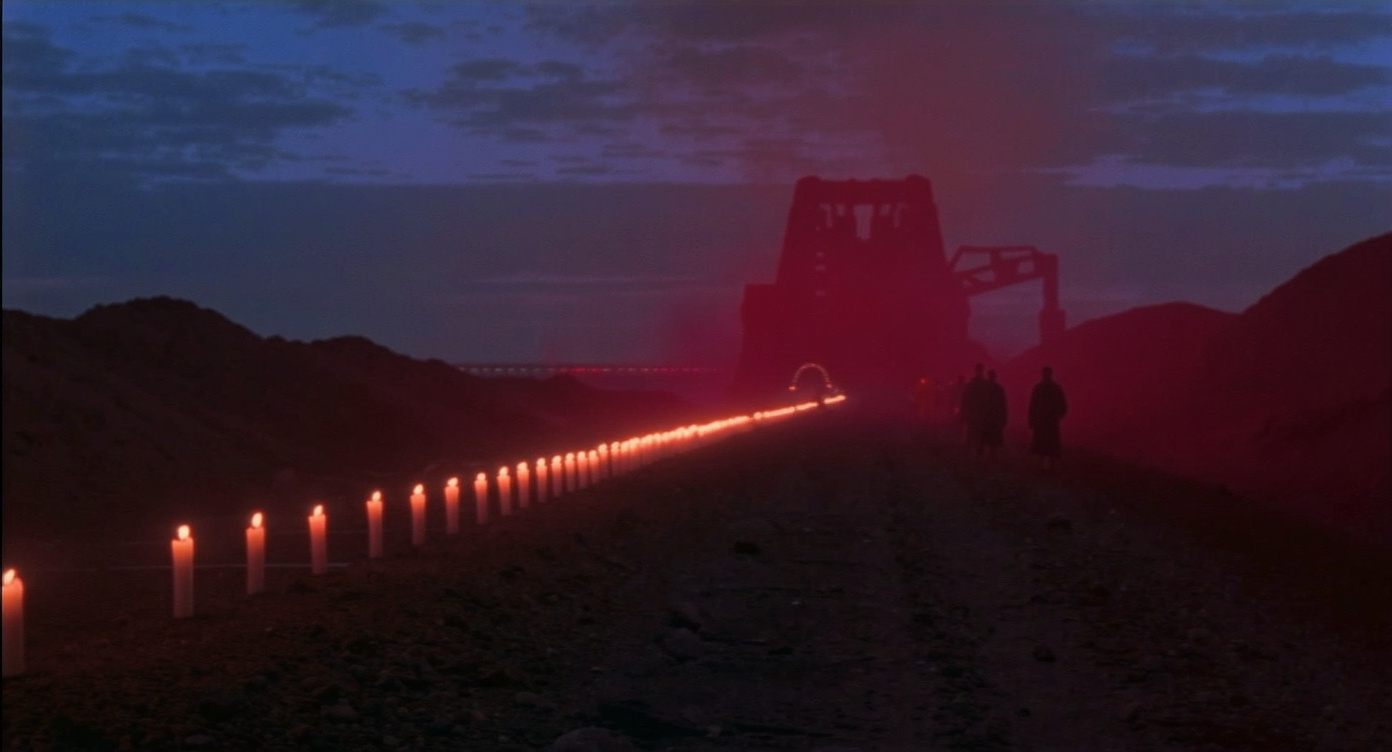
In an old harbor town there was a lamplighter named Sefa whose job, after the electric lights came in, had quietly disappeared. The town kept her on anyway, paid in bread and firewood, because nobody had the heart to tell her the lamps no longer needed lighting.
What the town didn't know was that Sefa had found a different use for her ladder and her long brass wick-trimmer. Every time someone in the harbor died — a fisherman lost to a bad squall, an old woman who simply didn't wake up — Sefa would carry a candle down to the dock at dusk and set it burning on the post nearest the water, and she would stand there until it either burned all the way down or the wind took it.
A young sailor named Costas, newly arrived and full of questions the way young sailors are, watched her do this one evening and finally asked, "Who are you lighting that for? Do you think they can see it?"
"I don't know if they can see it," Sefa said. "That's not really the question I'm answering."
"Then what are you answering?"
Sefa trimmed the wick before she lit it, the way she always did, out of old habit more than necessity. "The question is whether the harbor forgets," she said. "And the answer, every single time, is no. Not while I'm standing here with a match."
Costas thought this was a strange kind of faith, lighting candles for people who'd never know, expecting nothing back from the dark. He said so.
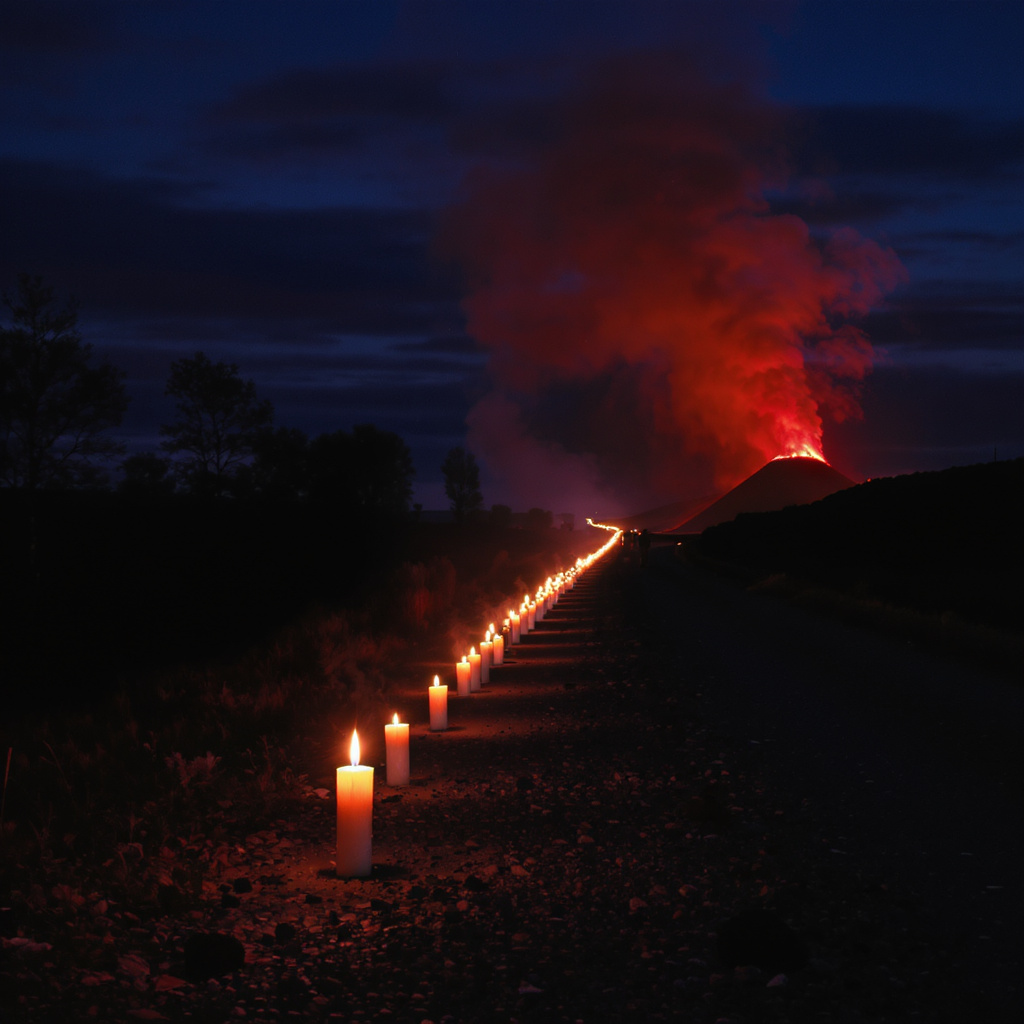
"It isn't faith," Sefa corrected him, gently. "Faith is for things you can't see working. I can see this working. Look." She gestured down the row of posts, where a dozen other small flames flickered in the evening wind, lit by other hands over other years, kept going by whoever happened to be passing with a match. "Every one of these is somebody who didn't want the dark to have the last say. That's not faith. That's just refusal."
The wind picked up off the water that night and blew out half the candles before the tide turned. Costas expected Sefa to look sad about it. Instead she simply walked the row again, relighting each one without a word, as unbothered as someone resetting a clock.
"Won't the wind just take them again?" he asked.
"Probably," Sefa said. "So I suppose I'll just light them again."
She did this for the rest of her life, long after anyone remembered why the lamplighter's job had ever existed in the first place, and the harbor — for reasons nobody could quite explain to outsiders — never once let the dock go fully dark.
A beautiful next door