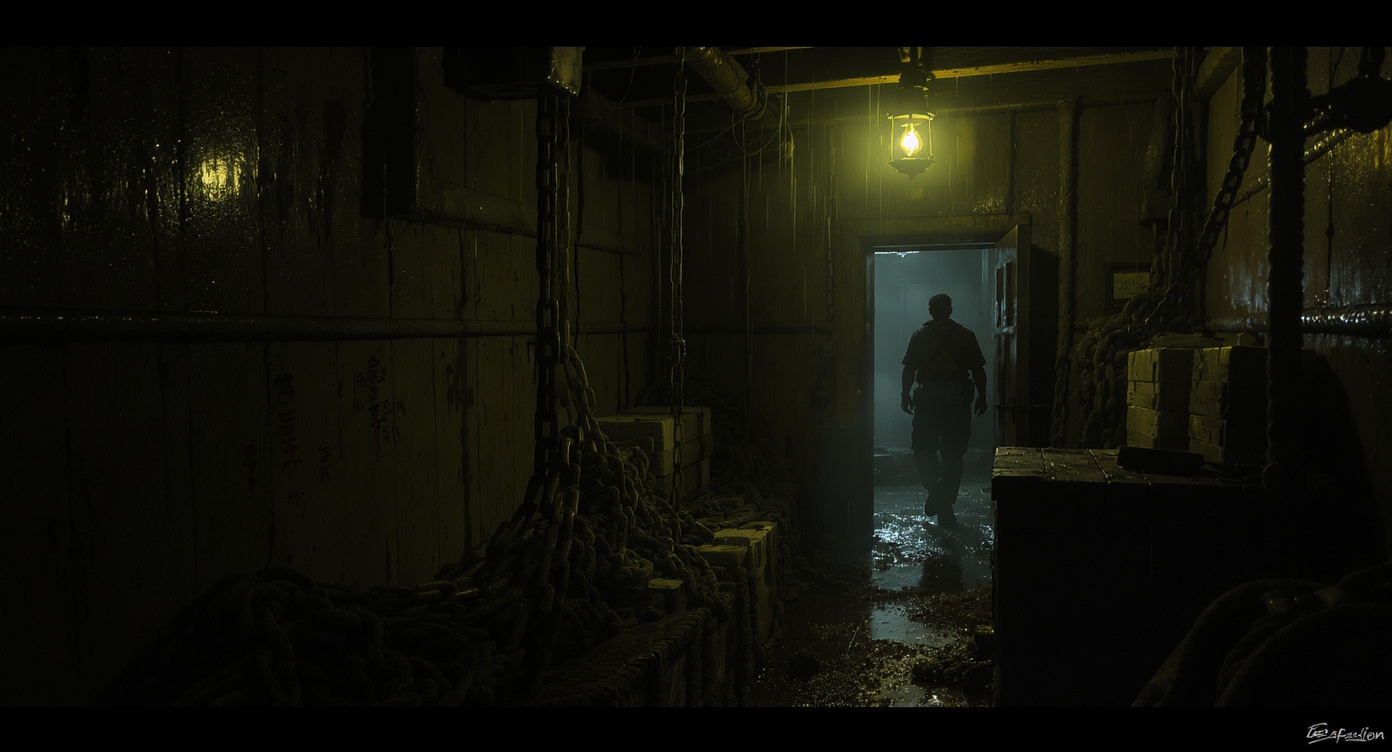
On a cargo ship that carried mostly grain and the occasional crate of machine parts, there worked a young loader named Sefa who took pride in one thing: she always knew what was in the hold, just by the sound a crate made when it shifted in rough seas.
Grain hissed. Machine parts clanked dully, like teeth. Wine bottles, packed in straw, made a sound like distant rain.
One voyage, a crate came aboard at midnight with no manifest entry, and Sefa, lying in her bunk during the first real swell of the trip, heard it make a sound she had never catalogued before. Not a hiss, not a clank, not rain. Something closer to breathing.
She asked the first mate about it the next morning. He found something urgent to do with a rope.
She asked the cook. He said the sea makes its own noises and left it there.
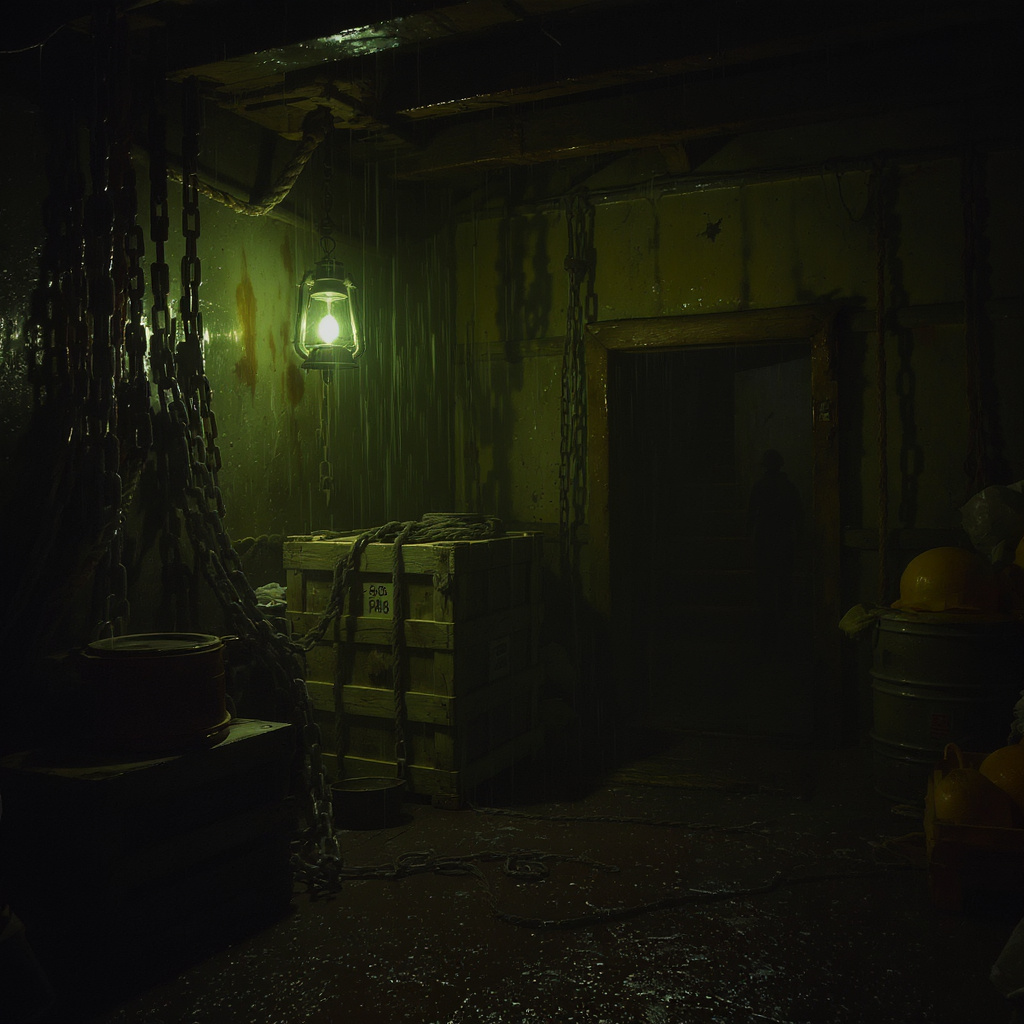
So Sefa did what she always did when a question wouldn't leave her alone — she went and sat near the crate itself, in the dim hold, and simply kept it company. She didn't try to open it. She didn't report it further up. She just sat an arm's length away each night that voyage, the way you might sit near someone in a hospital bed without speaking, just so they wouldn't be alone with whatever was happening to them.
The knocking, when it came, came in threes. She didn't run. She knocked back, once, gently, against the wood — not a question, not an answer, just an acknowledgment: I hear you. I don't know what you are. I'm still here.
The knocking stopped after that. Whether it stopped because the sea calmed, or because something inside had simply needed to be heard once before it could rest, Sefa never decided, and she made peace with not deciding.
When they docked, the crate disappeared before sunrise, the way unnamed things do, carried off by men who asked no one's permission and left no trace in any ledger.
Sefa never found out what was inside it. But for years afterward, whenever cargo shifted strangely in a storm, the other loaders would call her over, only half joking, because they remembered: she was the one who knew how to sit beside a thing too frightening to name, until it stopped needing to be afraid alone.
More Stories
A beautiful next door