Every Sunday, Vovó Lurdes set the table for seven, even though only six of them came anymore.
The seventh chair belonged to her son Aurélio, who had moved across the ocean nine years ago for work and called twice a month, always apologizing for not calling more. The grandchildren had grown up around that empty seventh chair the way trees grow around an old fence post — it was simply part of the shape of Sunday dinner, unquestioned, permanent.
"Why do you still set his place?" asked her youngest grandson, Dinis, who was seven and practical about most things. "He's not coming."
"Not tonight," Vovó Lurdes agreed, smoothing the napkin at the empty setting. "But the chair doesn't know that. The chair is for whenever he comes — tonight, next month, next year. The table doesn't keep time the way clocks do. It keeps love."
"That seems sad," Dinis said.
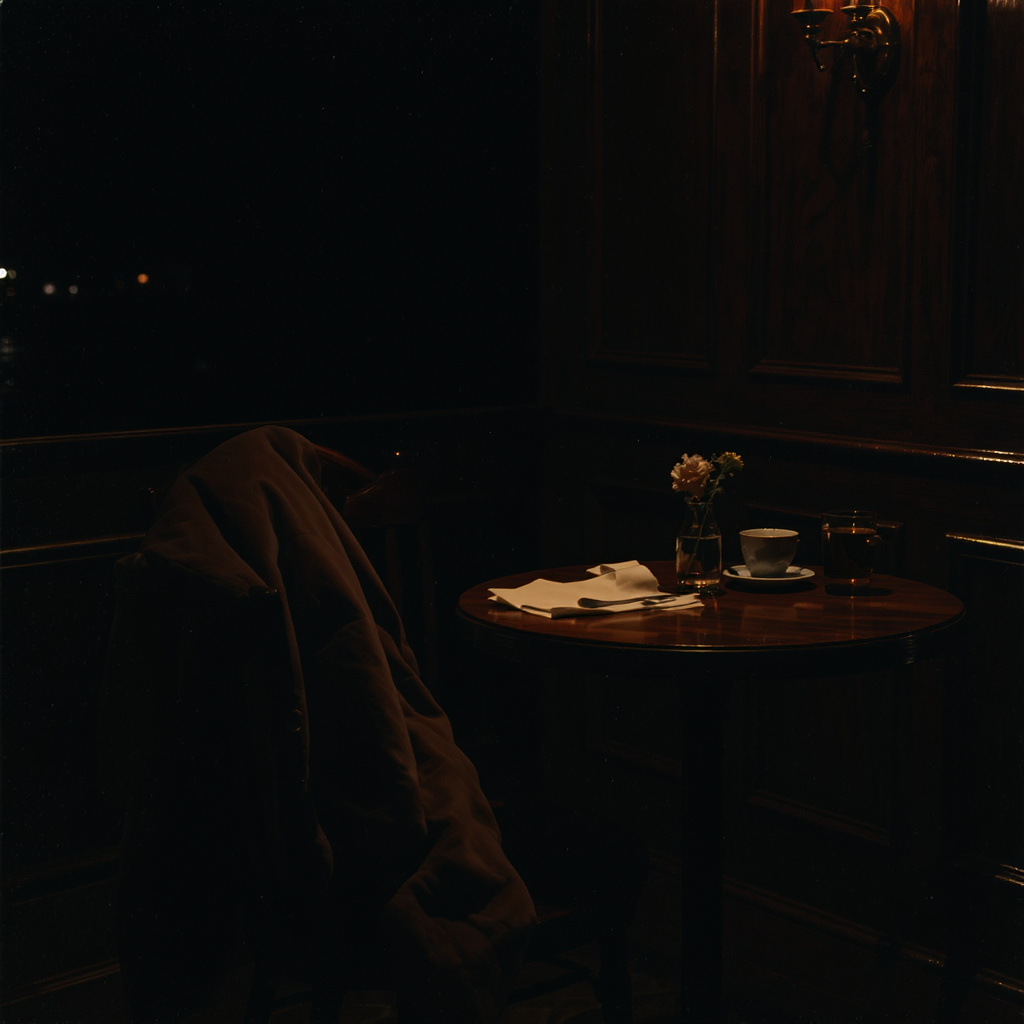
"Does it?" She considered this. "I think it would be sadder to take the chair away. Then if he came home, even for a single Sunday, there would be no place ready for him. He would have to ask for a seat at his own family's table. I would rather set one extra place for nine years than make him ask once."
That winter, Aurélio came home without warning — a surprise, a flight booked in secret, arriving exactly on a Sunday. He walked in halfway through the blessing, and there, at the table, between his sisters, was a chair, a plate, a folded napkin, waiting, as it had waited every week he had been gone.
He didn't say anything for a long moment. Then he sat down in the chair that had been kept for him, and Vovó Lurdes simply passed him the bread, as if no time had passed at all — because, in the only way that mattered to her, none had.
"You set my place," he said finally, his voice thick.
"I never stopped," she said. "That's not the same as you being here. But it's how I made sure that when you finally were, there'd be nothing to rebuild. Just a chair, waiting to be sat in."
Love does not require presence to keep working. Sometimes the truest form of devotion is simply keeping the place ready — so that whenever someone returns, they find they were never really gone from the table at all.
More Stories
A beautiful next door