
In a village with a well at its center, there was a widow named Solveig who came out every night after her chores were done and sat on the low stone wall beside it, talking quietly into the dark water below.
The other villagers found this odd, at first. A well doesn't answer. A well doesn't even particularly listen, having no ears, no mind, nothing but cold stone and a long drop to water that had sat there since before anyone could remember.
A curious young man named Pell finally worked up the nerve to ask her about it one evening, lingering nearby with his own bucket as an excuse.
"What do you say to it?" he asked. "If you don't mind my asking."
"Whatever's true that day," Solveig said. "Tonight I told it that my hip hurts less than it did last winter. I told it I was grateful for the eggs my hens gave me, and that I missed my husband, and that I'd forgiven my sister for something I won't bother telling you about."
"But it's a well," Pell said. "It can't hear you. It can't do anything with what you say."
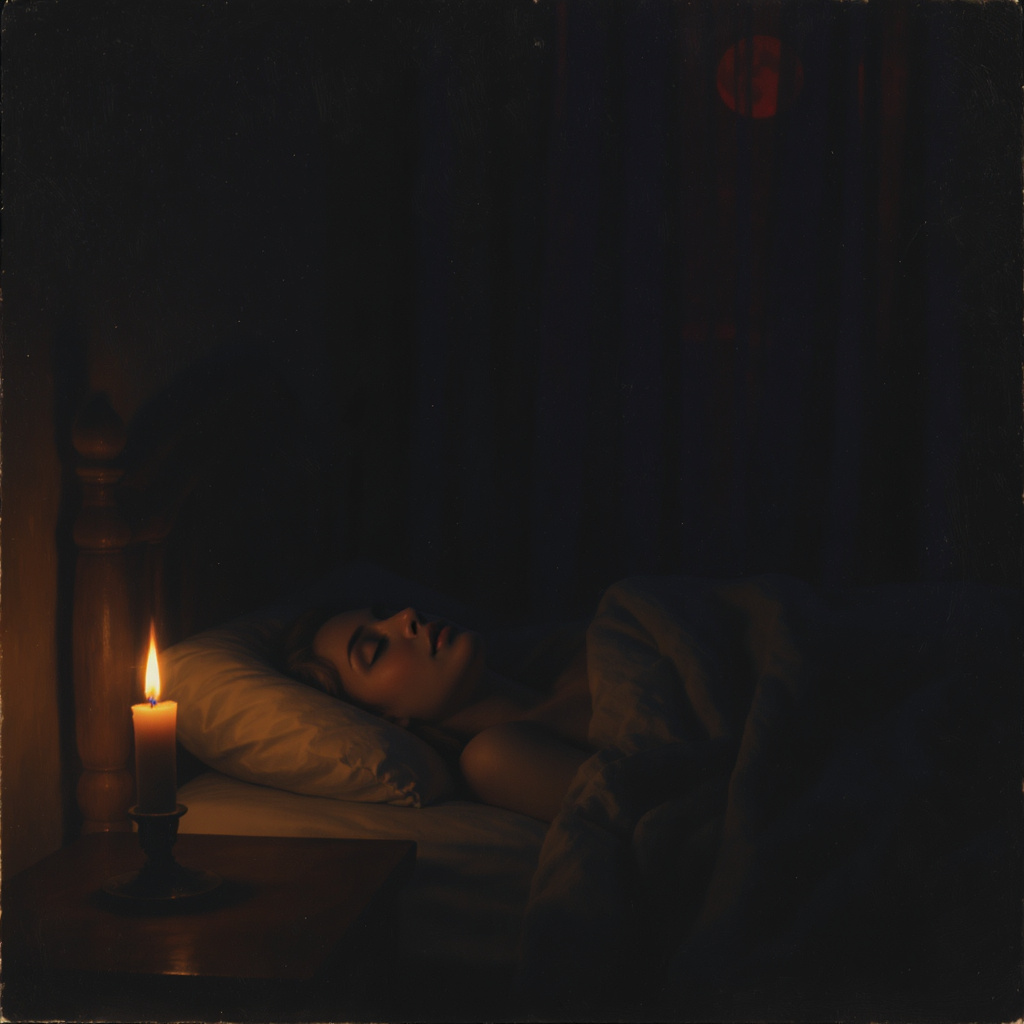
"I know that," said Solveig, unbothered. "I'm not asking it to do anything. I think people get confused and believe that talking is always a request. Sometimes talking is just a way of making something true by saying it out loud, where it can't hide inside your own head anymore."
"Then why not just think it instead?"
Solveig considered this, the water below catching the last of the evening light in a thin silver line. "Because a thought can slip away before you've really looked at it," she said. "But a thing said out loud, even to a well, even to nobody — it has to sit there a moment and be heard by the air, at least. That's enough witnessing for me. I don't need the well to answer. I just need the saying."
Pell drew his water and went home, turning this over the way young people turn over things they don't yet understand but suspect they will, eventually, need.
Years later, an old man himself by then, he found that he too had taken up the habit of speaking certain things aloud to no one in particular before sleep — gratitude, grief, the names of people he loved — and he never did get an answer, from a well or anywhere else. He found, much as Solveig had, that he had stopped expecting one. The saying had simply become enough.
A beautiful next door