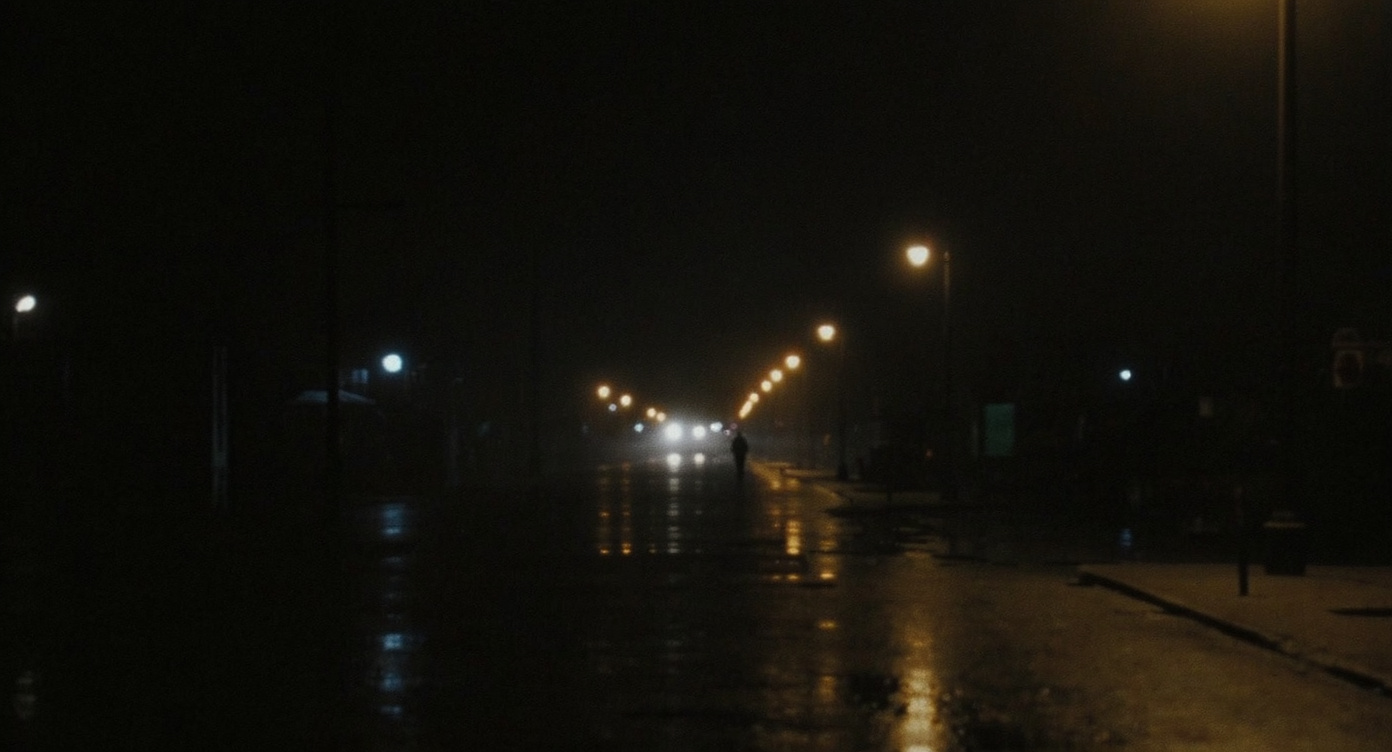
Lucas was seventeen the first time he stayed up all night with someone who needed him. His mother had a fever that climbed at midnight and would not come down, and his father was away on a work trip that couldn't be cancelled, and so it was Lucas and the thermometer and the particular quality of 3am that feels like a place rather than a time. He brought her water. He checked the temperature every hour. He sat in the chair beside her bed and watched her sleep the restless sleep of someone who is fighting something.
He had thought, before that night, that care was a feeling — that you felt it and then acted accordingly. He discovered that night that care is mostly not a feeling at all. It is a series of actions performed in the absence of any particular feeling: the glass of water, the cool cloth, the alarm set for one hour from now, the staying awake in a quiet room while someone else sleeps. It is repetitive and unglamorous and nothing happens except that the person in the bed is not alone, which turns out to be the main thing.
At 4am his mother woke and looked at him with the slightly confused expression of someone returning from a great distance. "You're still here," she said. She did not sound surprised exactly, but she sounded like someone who had been found after not knowing they were lost. He said yes. He brought more water. She fell back asleep. He sat down in the chair and thought about the particular satisfaction of having done something small and necessary and completely private — no audience, no story, just the fact of having been there.
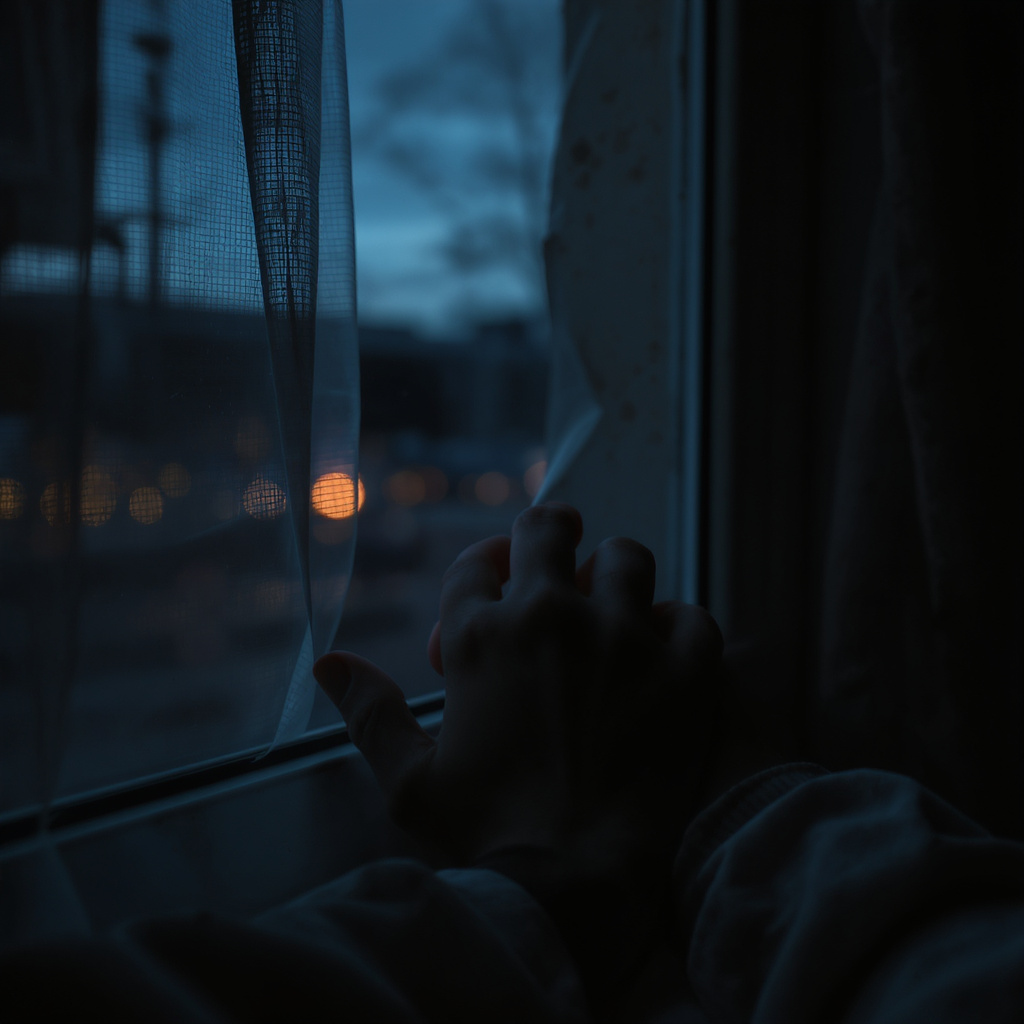
By morning the fever had broken. His mother was embarrassed, as she always was about being unwell, and made too much breakfast by way of apology. Lucas ate it. He did not tell her what the night had felt like from his side of it, the strange peacefulness of that responsibility, the way the hours had passed without his thinking about anything other than the next glass of water, the next reading on the thermometer. He had never felt more himself and he couldn't say why.
It was only later, much later, that he understood: care is not comfortable because it asks you to stay present in the discomfort of another person, which is different from fixing it. He had not fixed his mother's fever. He had sat beside it. That was all. That was everything.
The best love we give is the kind no one is watching. It happens in the small hours, in the space between what is required and what we choose.
More Stories
A beautiful next door