A woman named Sable owned a small violin that had belonged to her since she was seven years old — a quarter-size instrument, perfectly fitted to a child's arm, given to her by an aunt who'd said, with great certainty, that Sable would play it at her own wedding someday, full grown, the same violin, just because she loved her that much.
Sable's arms grew. The violin did not. By fourteen she'd long since moved to a full-size instrument that actually fit beneath her chin, but she kept the small one in a velvet-lined case on her shelf for over twenty years, polishing it twice a year, never playing it, because some part of her had decided that keeping it pristine was the same thing as keeping her aunt's love intact.
Guests who saw it on the shelf always said how charming it was, how well preserved. They asked if she still played it. She always said something vague and warm that wasn't quite a lie and wasn't quite the truth either.
It was only when she was packing up her late aunt's house, years after the aunt had passed, that she found a box of old recital programs and realized, reading them, that her aunt had never once specified the wedding violin had to be that exact one — Sable had decided that detail herself, somewhere along the way, and then quietly spent two decades being faithful to a promise nobody but her had actually made.
She sat with the little violin a long while that day, turning it over in her hands. It was a fine instrument. It would always be a fine instrument. It was simply, undeniably, a thing made for a seven-year-old's arm, and she was no longer seven, and pretending otherwise hadn't honored her aunt — it had just kept Sable quietly performing devotion instead of feeling it.
She gave the violin, eventually, to a neighbor's daughter who was exactly the right size for it, who played it badly and joyfully for several years before outgrowing it herself and passing it along to someone else's child.
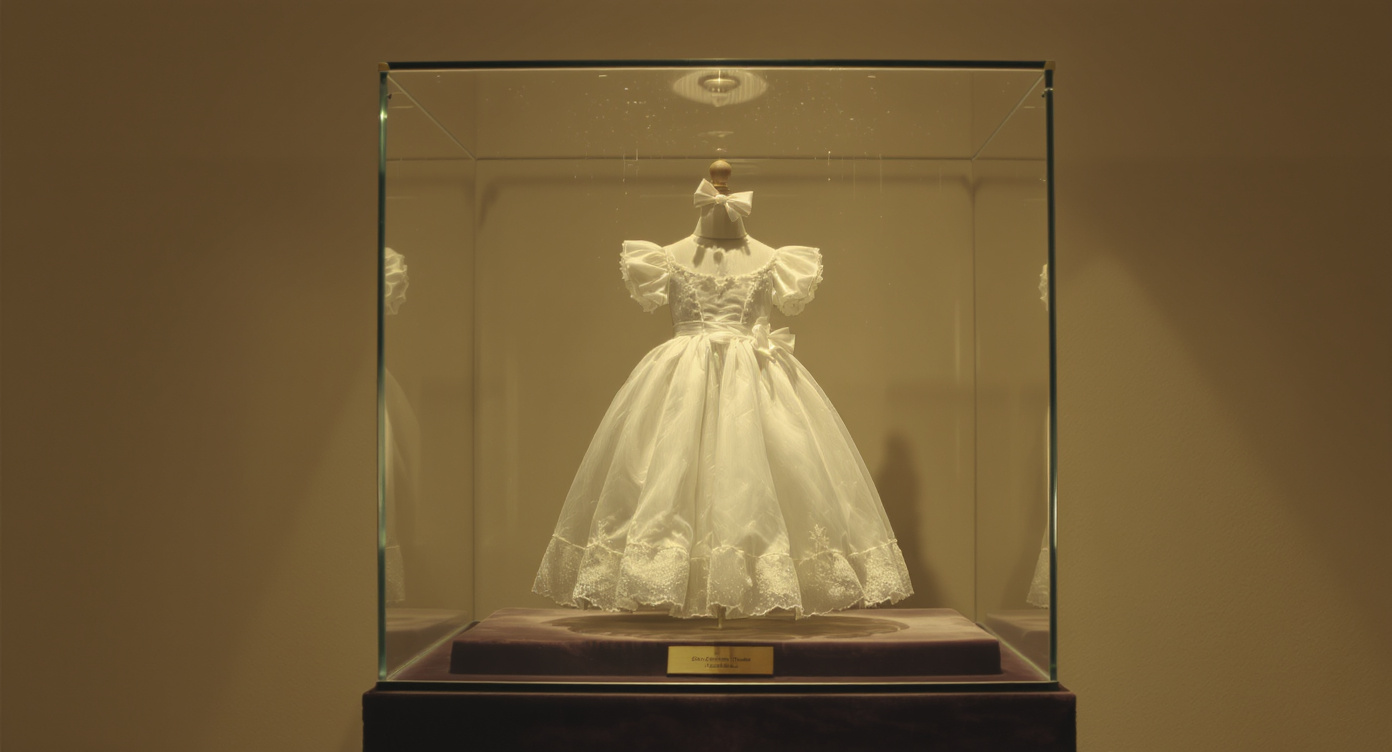
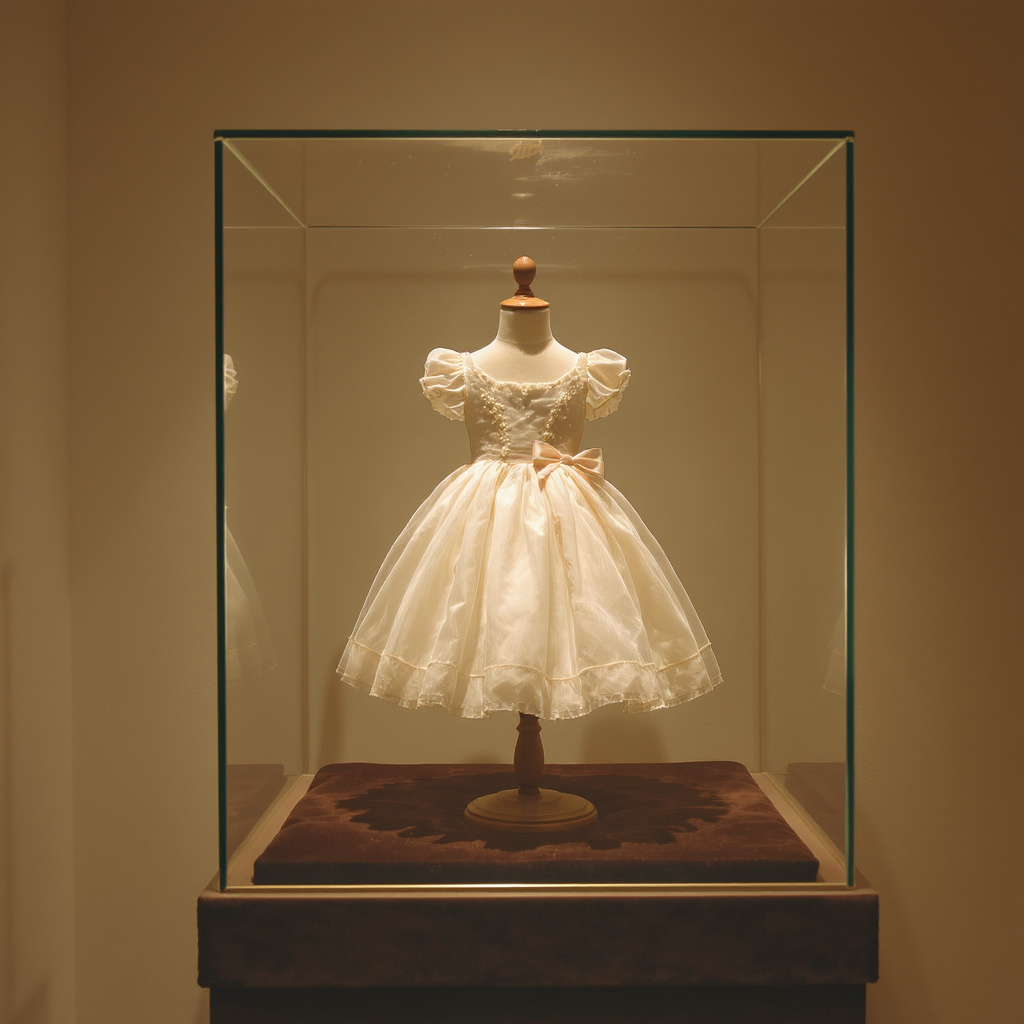
Sable kept, instead, just one of the old recital programs, the one from her very first performance, folded small enough to fit in a drawer rather than displayed under glass. It wasn't a relic anymore. It was just a piece of paper that had been there, once, the way ordinary things are there for ordinary moments, before anyone decides to make them carry more than paper is meant to hold.
A beautiful next door