She was always the first person in the studio.
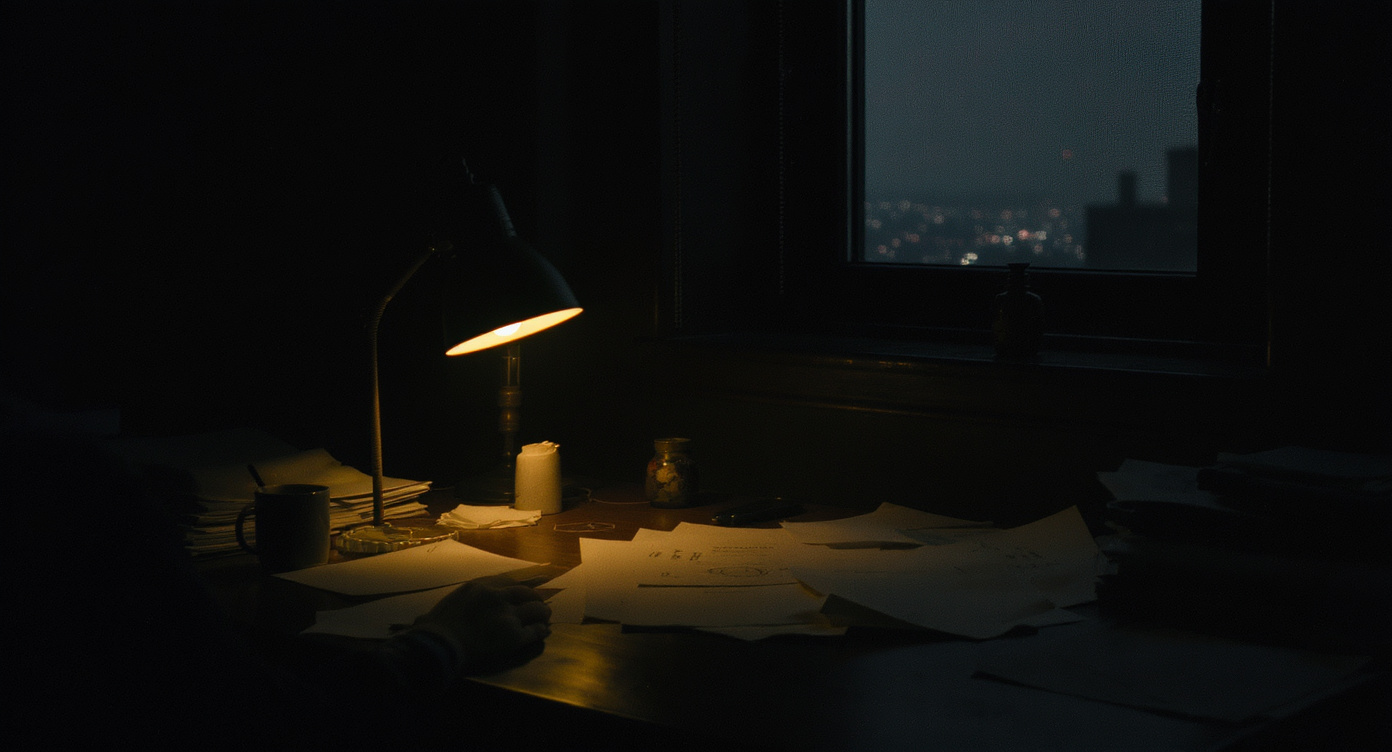
Not for virtue. Not to be seen arriving early — there was nobody there to see. She came at six because the light was different at six, and the air had a quality it lost later, and the city hadn't started yet, and in those two hours before the world arrived she could hear herself think in a way that the noise of the day made impossible.
For three years she worked these hours and told no one.
The paintings she made in those early mornings were the ones that eventually showed in the gallery. The work was praised by people who'd never seen her at six in the winter dark, her breath visible in the cold studio, her hands still clumsy with sleep.
She didn't tell them about the early mornings. Not from modesty — she wasn't especially modest — but because the early mornings were not for telling. They were not the story. They were the mechanism behind the story.
After the opening, a reviewer wrote about her capacity for sustained attention, her willingness to go deep.
She read this and smiled.
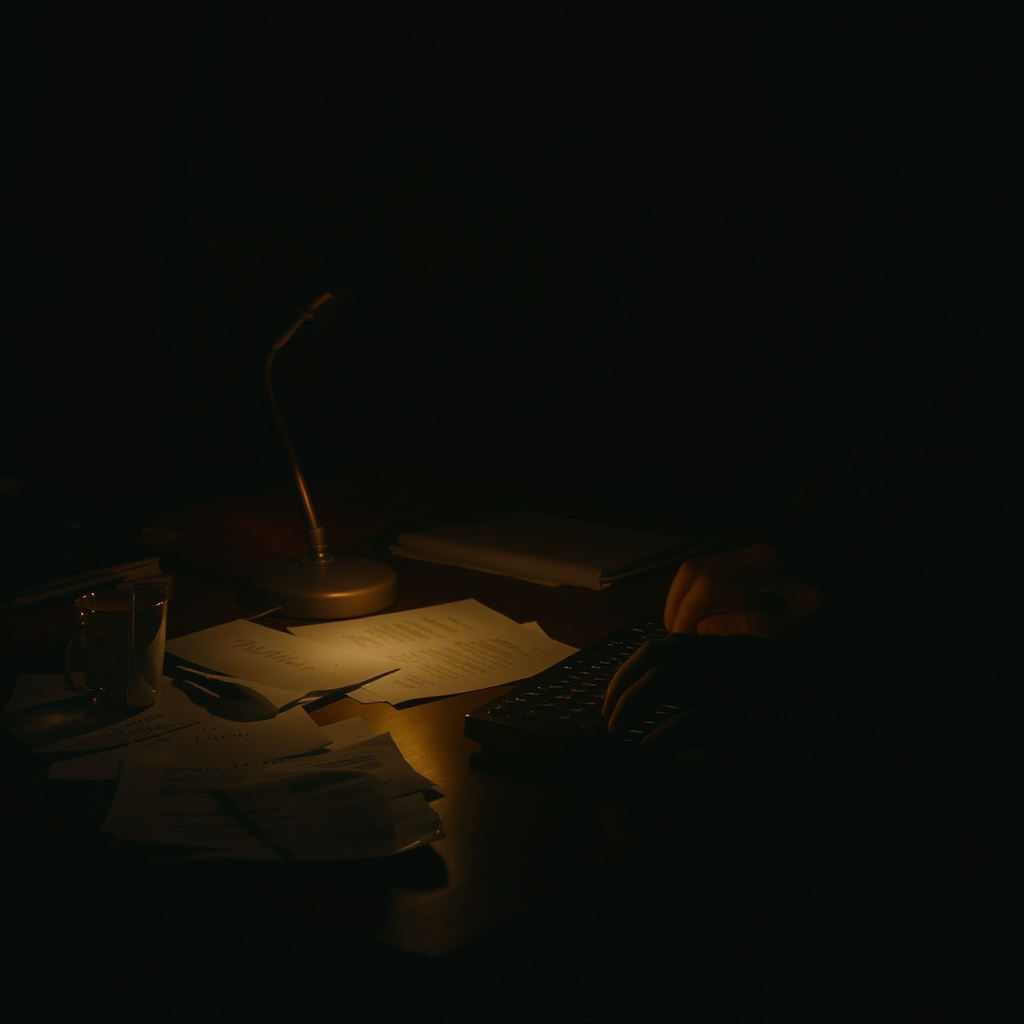
The reviewer had seen the result. Had not seen the six a.m.s. Had not seen the three years of showing up before the room filled with other people's expectations.
She folded the review and put it in the drawer.
She went home and set her alarm for five-thirty.
What you build in the unseen hours is what stands.
A beautiful next door