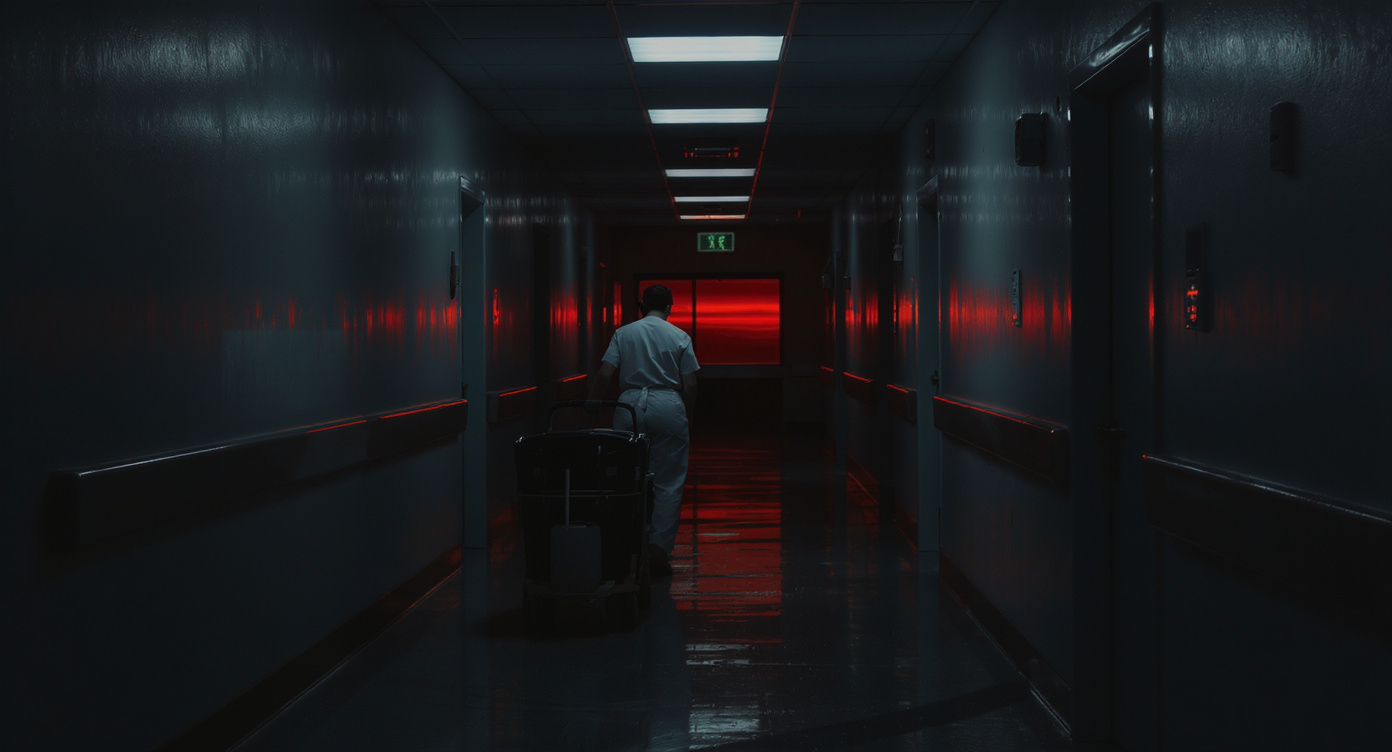
There was a night-watchwoman at a museum named Aja who had never, in eleven years, seen a single painting in daylight. Her shift began when the doors closed and ended before they opened, so the only light she ever saw the artwork by was the dim glow of the emergency lamps along the floor.
A new guard named Tobias, hired for the day shift, met her once during the changeover and found this fact almost unbearable. "Doesn't it bother you," he asked, "that you walk past all this every night and never get to see it properly? The colors must look completely different in the sun."
"I'm sure they do," Aja said, locking the east gallery behind her.
"Then why do this job for eleven years and never once ask to switch?"
Aja considered the question seriously, the way she considered most things, slowly and without performance. "Because somebody has to walk these halls when nobody's looking," she said. "The paintings don't stop being paintings just because the lights are off. The floors don't stop needing somebody to notice if something's wrong. I think people assume the important hours are the ones with an audience. I've started to believe the opposite."
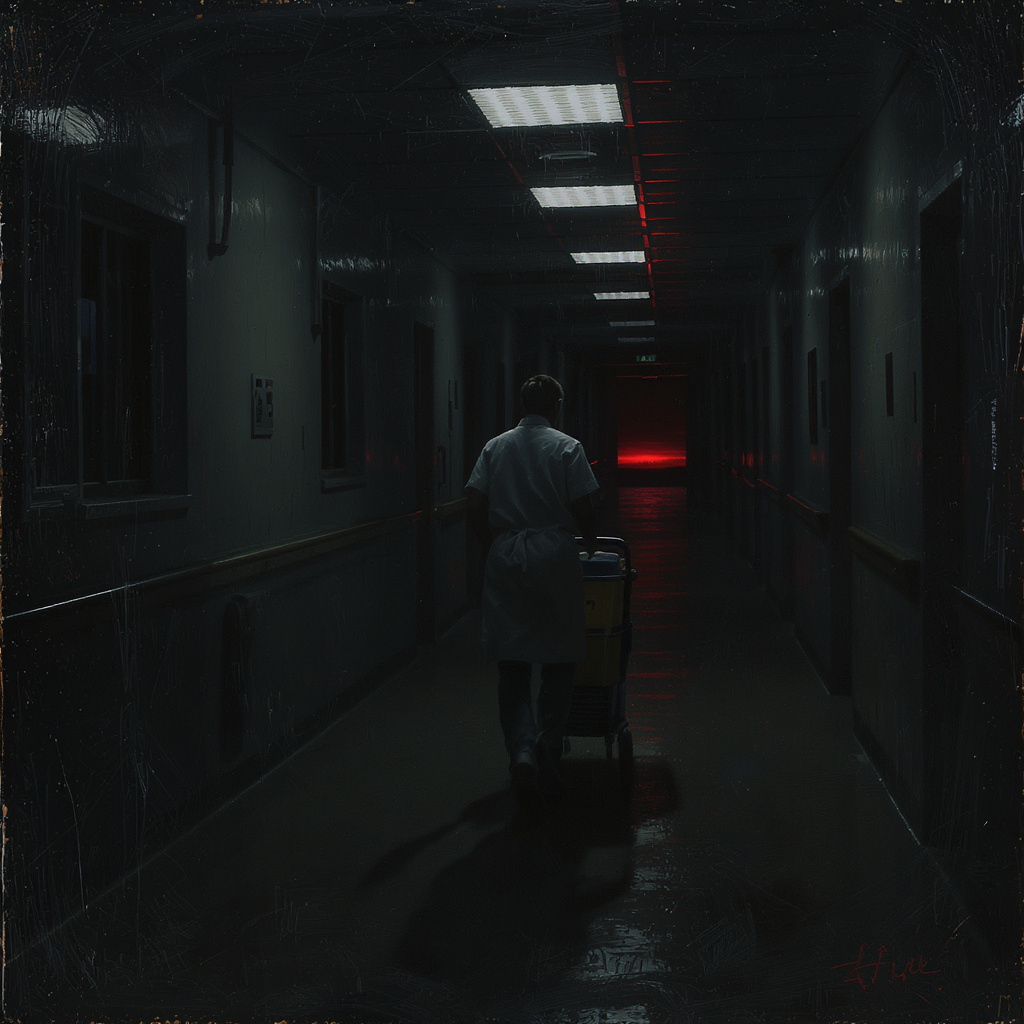
Tobias didn't understand this fully, not at first. He went home that night to sleep in a normal bed at a normal hour and didn't think much more about it. But months later, after a pipe burst in the basement archive at three in the morning and Aja caught it before it reached a single canvas, the museum director gathered the staff to thank her publicly, and Aja stood at the back of the room looking faintly embarrassed by all the attention, as if gratitude were a kind of daylight she wasn't used to standing in.
"You saved millions of dollars of work tonight," the director said. "Doesn't that feel good, finally being seen for it?"
"It feels fine," Aja said. "But I want to be honest with you. I would have caught that pipe the same way if nobody ever found out. That's not modesty. That's just the job."
She went back to her rounds that evening as she always had, alone in the hush of the galleries, the paintings holding their colors patiently in the dark the way they always did, waiting for nobody, needing nobody's gaze to remain exactly what they were. Aja walked past every one of them slowly, the way you'd walk past old friends, and said nothing out loud, because she had long ago stopped needing to say it.
A beautiful next door